
Proactiv Medication Hub - Page 2
Brown Bag Medication Review Events: Preparing for a Safe Checkup
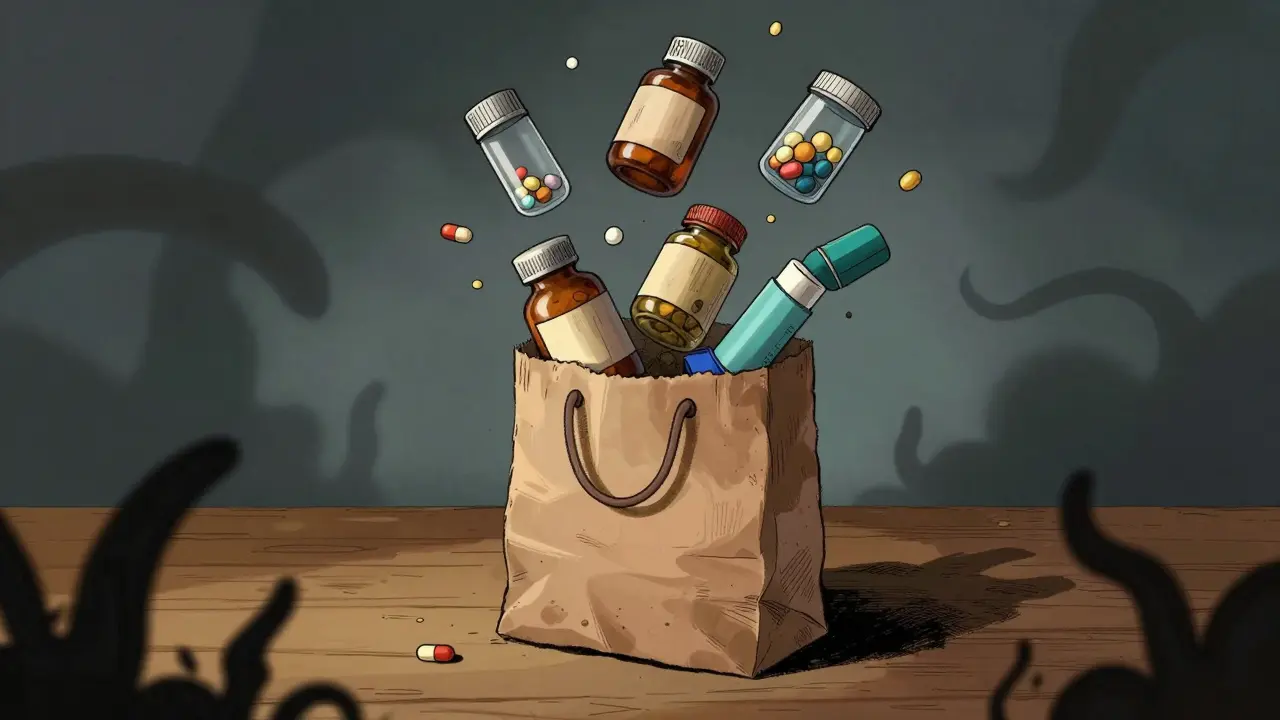
Learn how to prepare for a Brown Bag Medication Review to prevent drug errors. Discover exactly what to bring, why physical bottles beat digital lists, and how to get the most out of this essential safety check.
MoreMedical Power of Attorney and Medication Decisions: How to Plan Ahead Safely
Ensure your medication preferences are respected even if you can't speak. Learn how a Medical Power of Attorney protects your health choices, reduces family conflict, and ensures your agent can act when it matters most.
MoreEnvironmental Monitoring: Testing Facilities for Contamination in Manufacturing

Environmental monitoring in manufacturing is a critical system for detecting contamination in air, water, and surfaces before it affects products. Learn how zone-based testing, industry standards, and new technologies help prevent recalls and protect public health.
MoreHow to Talk about Stopping or Tapering a Medication Safely
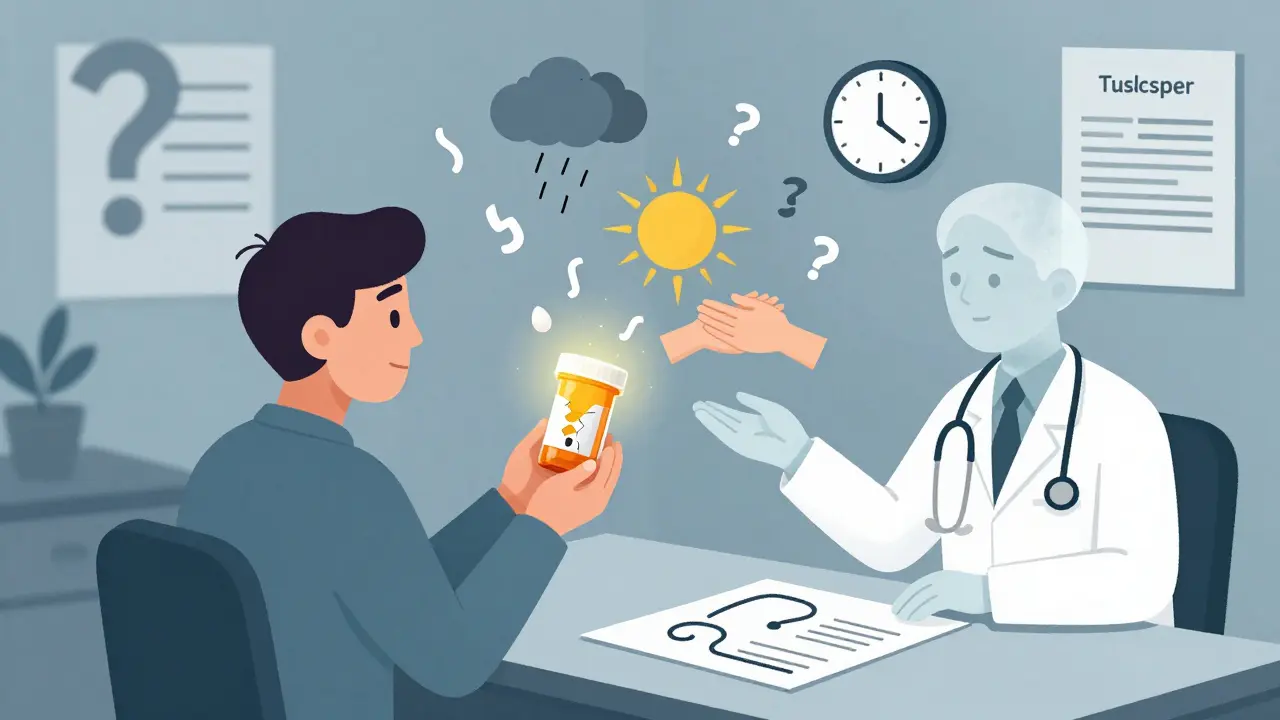
Learn how to have a safe, effective conversation with your provider about stopping or tapering medication. Understand withdrawal risks, co-create your taper plan, and avoid common mistakes that lead to relapse or severe symptoms.
MoreSSRIs and Antidepressants During Pregnancy: What You Need to Know About Risks and Benefits
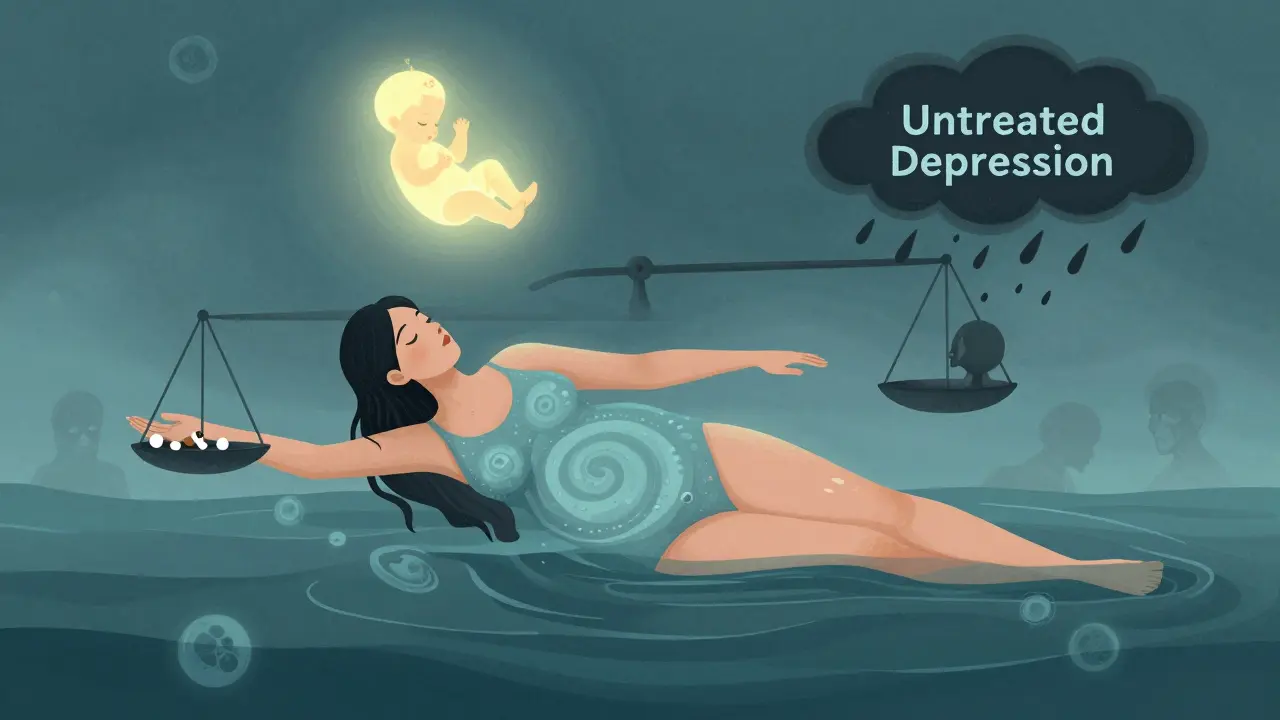
SSRIs during pregnancy carry small risks, but untreated depression poses greater dangers. Learn which antidepressants are safest, what the real risks are, and why continuing treatment is often the best choice.
MorePreventing Phototoxicity During Antibiotic Therapy: Practical Steps
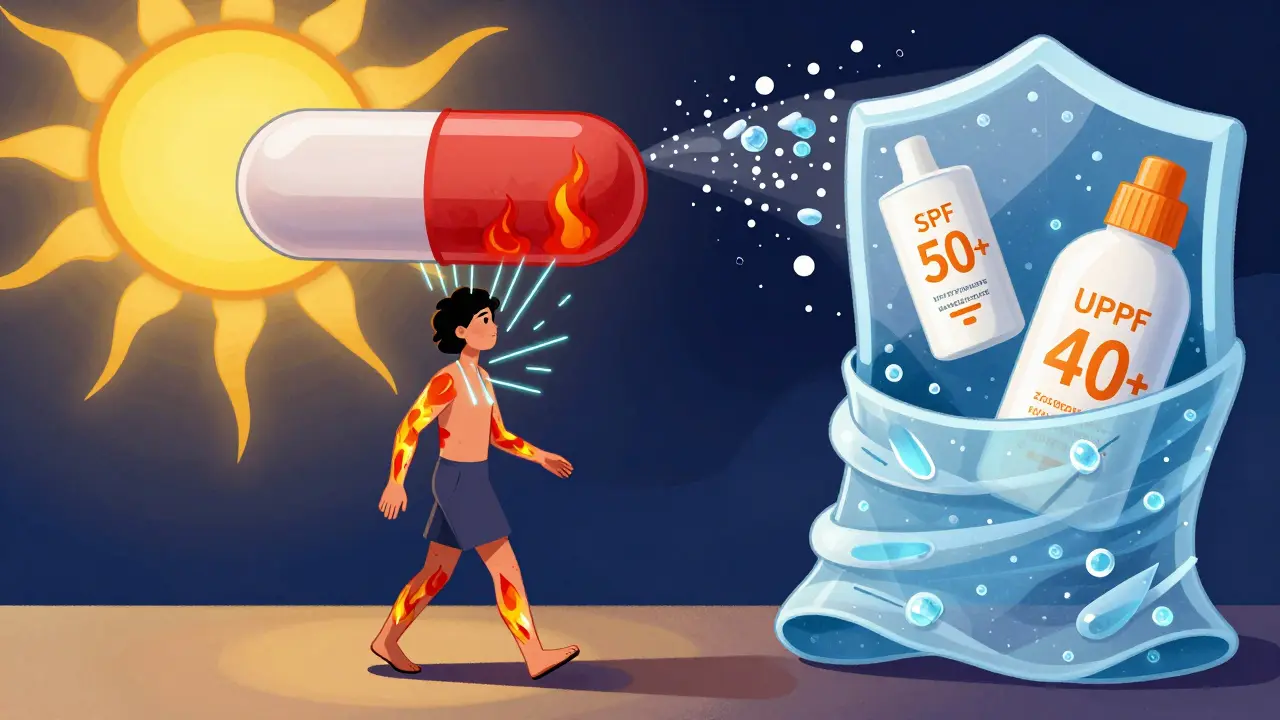
Learn how to prevent painful skin reactions from antibiotics like doxycycline and ciprofloxacin. Discover proven steps: use SPF 50+ sunscreen, wear UPF clothing, take meds at night, and avoid sun during peak hours.
MoreTeaching Kids About Generic Drugs: Simple Ways to Explain Medicine Safety
Teach kids that generic drugs work just like brand names - same medicine, different price. Simple, science-backed ways to explain safety, reduce fear, and build confidence in medication use.
MoreAntihistamines and Pain Relievers While Nursing: What’s Safe

Learn which antihistamines and pain relievers are safe to take while breastfeeding. Discover the top recommended options, hidden dangers in OTC meds, and what to avoid to protect your baby’s health.
MoreGlobal Biosimilar Markets: Europe vs United States
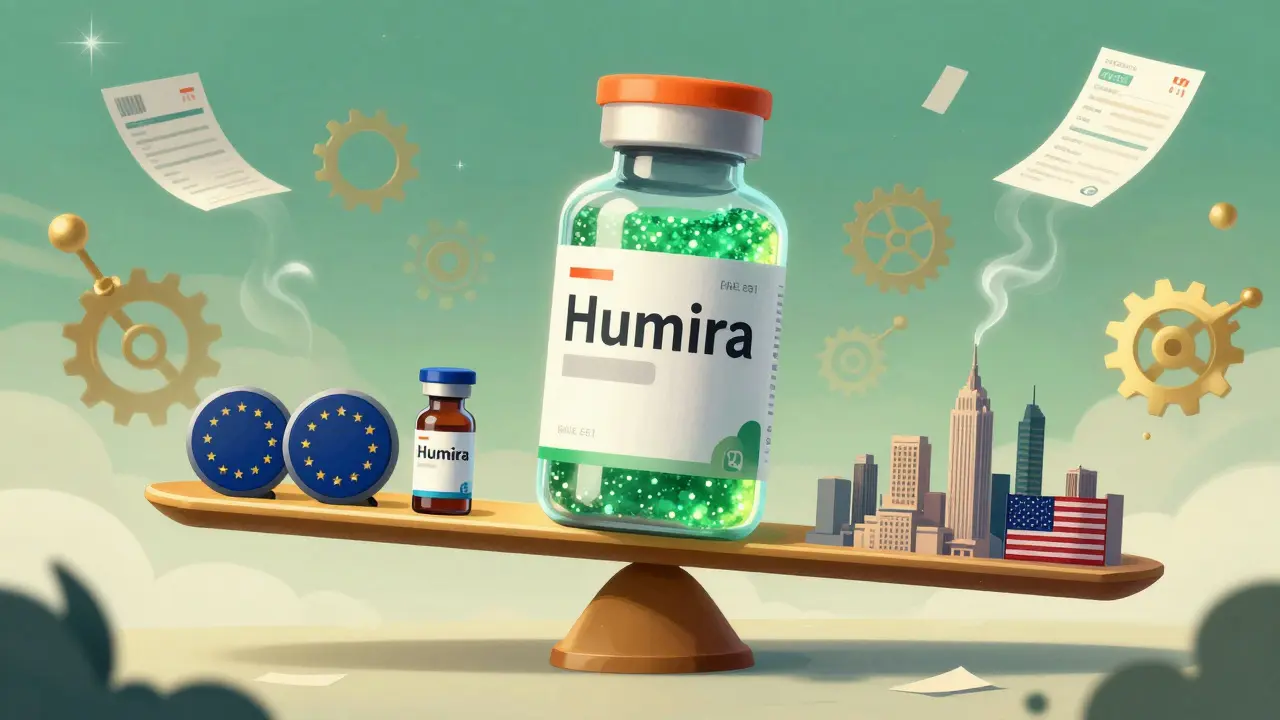
Europe led the world in biosimilar adoption with a clear regulatory system, while the US struggled with patents and complex rules. Now, thanks to FDA changes and the Inflation Reduction Act, the US market is accelerating fast - with biosimilars poised to cut costs for millions.
MorePsychiatric Medications: Class Interactions and Dangerous Combinations
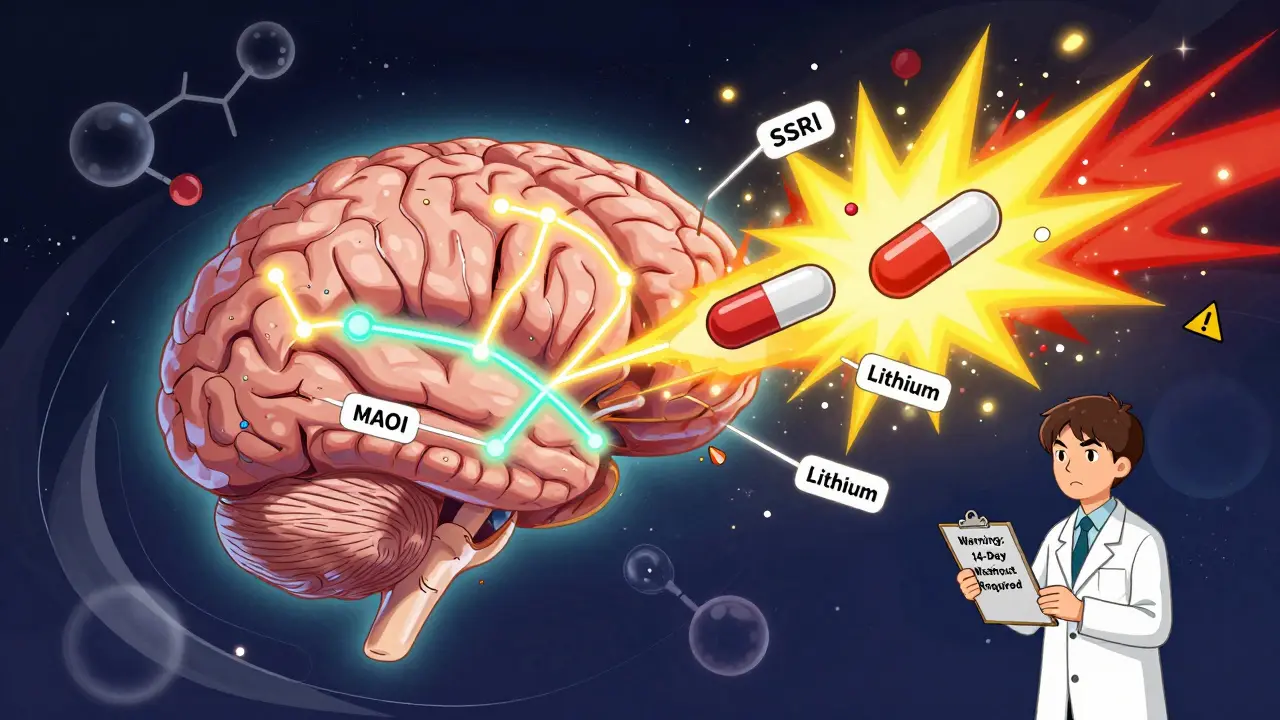
Psychiatric medications can interact in dangerous ways, leading to serotonin syndrome, toxic buildup, or organ damage. Learn which combinations are risky, how to avoid them, and what to do if you suspect a reaction.
More