
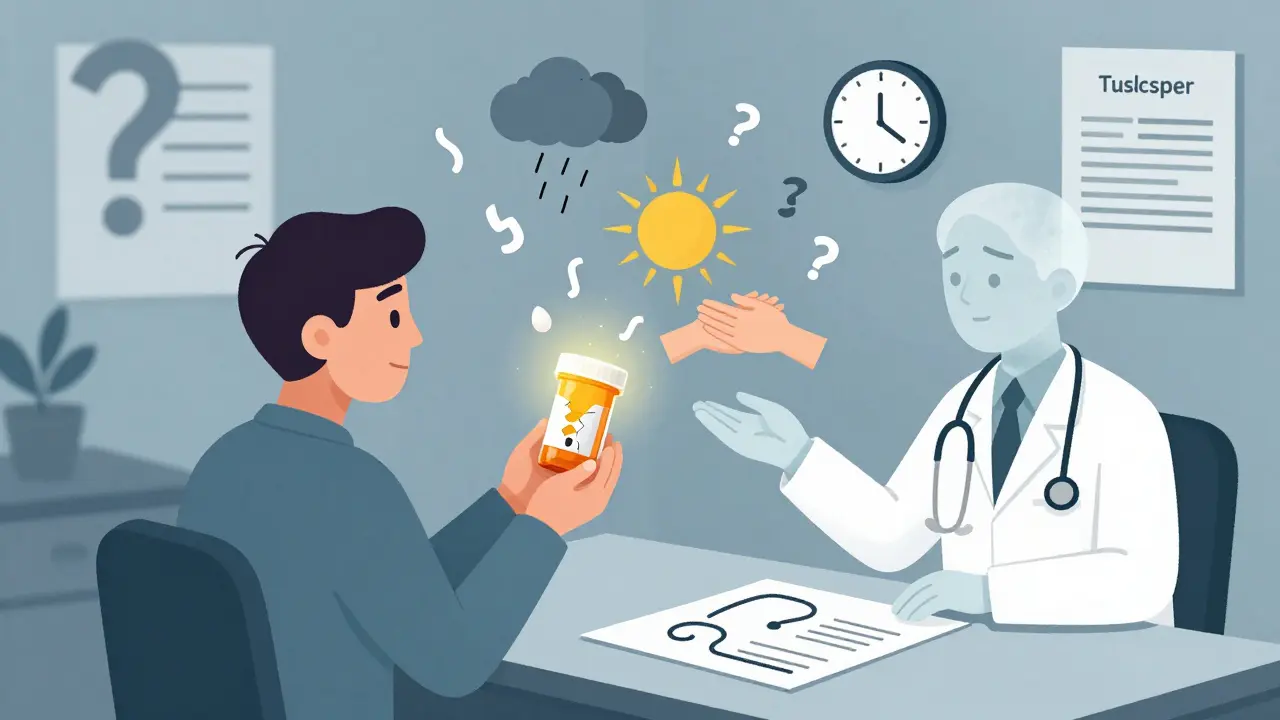
Stopping a medication isn’t as simple as just skipping a dose. For many people, suddenly stopping a drug-whether it’s an antidepressant, opioid, or benzodiazepine-can lead to intense physical and emotional reactions. Some feel dizzy, anxious, or nauseous. Others experience insomnia, tremors, or even seizures. The problem isn’t the medication itself, but how it’s stopped. The key to doing this safely lies not in the dosage chart, but in the conversation you have with your provider.
Why Tapering Isn’t Just a Number on a Prescription
Tapering means slowly reducing your dose over time instead of quitting cold turkey. This isn’t a one-size-fits-all process. A person who’s been on 20 mg of sertraline for six months might need a different plan than someone on 100 mg of oxycodone for five years. The goal isn’t just to get off the drug-it’s to get off without triggering withdrawal, relapse, or new health problems. The American Society of Addiction Medicine (ASAM) recommends tapering schedules that vary based on how long someone’s been using the medication. For benzodiazepines like Xanax or Valium, if you’ve been taking them for more than six months, a 5-10% reduction every one to two weeks is typical. That could mean a taper lasting 4 to 26 weeks. Opioid tapers can be faster-sometimes as short as 2-3 weeks-but only if the patient is stable and not at risk of addiction. Antidepressants? Those vary even more. Fluoxetine (Prozac) has a long half-life, so some people can stop in a week or two. But paroxetine (Paxil)? That often needs 4-8 weeks of gradual reduction. What matters most isn’t the timeline-it’s whether you’re involved in deciding it.How to Start the Conversation
Too often, patients feel blindsided. One Reddit user wrote, “My doctor said, ‘You’re getting off this now.’ I had no idea withdrawal could last weeks.” That’s not care-that’s neglect. Start by asking: “Why are we considering stopping this medication?” Sometimes the answer is simple: your symptoms improved. Other times, it’s because of new guidelines, insurance rules, or fear of side effects. You need to know the real reason. Then ask: “What happens if I stop suddenly?” This opens the door to honest discussion about risks. For example:- Stopping SSRIs abruptly can cause brain zaps, nausea, and mood swings.
- Stopping benzodiazepines too fast can trigger seizures.
- Stopping opioids suddenly can lead to severe flu-like symptoms, high blood pressure, and intense cravings.
Co-Create Your Taper Plan
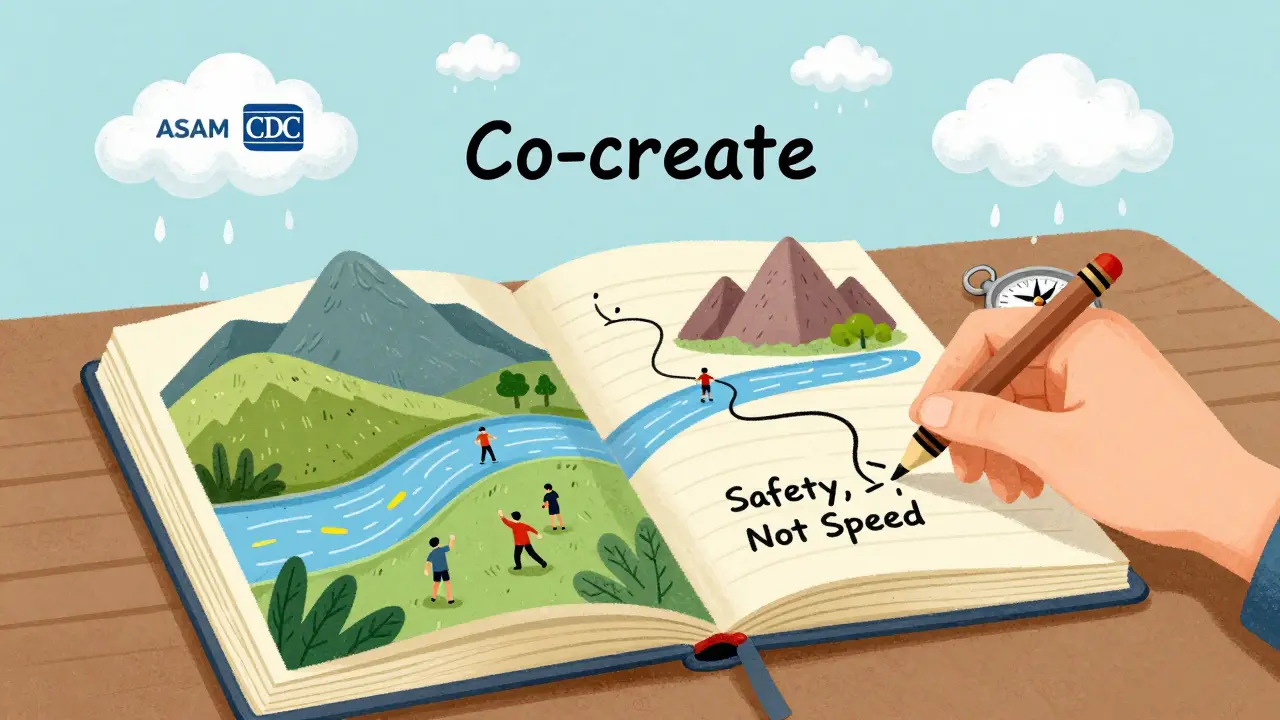
A good provider won’t hand you a printed schedule and say, “Do this.” They’ll work with you to build one. Here’s what a real, patient-centered taper plan looks like:- Assess your readiness. Are you mentally and emotionally prepared? Some people need to wait until after a stressful life event.
- Explain the ‘why’ with your data. Show you how long you’ve been on the drug, your current dose, and what symptoms you’ve had. Say: “I’ve been on 30 mg of sertraline for 18 months. I’ve had no side effects, but I’m tired of taking it daily.”
- Build the schedule together. Propose a reduction: “Could we start by cutting 10% every two weeks?” If they say no, ask why. Is it based on evidence-or convenience?
- Set up symptom tracking. Use a simple journal. Note mood, sleep, energy, and any physical symptoms. Share it at each visit.
- Plan check-ins. Schedule weekly visits for the first month. Don’t wait until you’re in crisis to call.
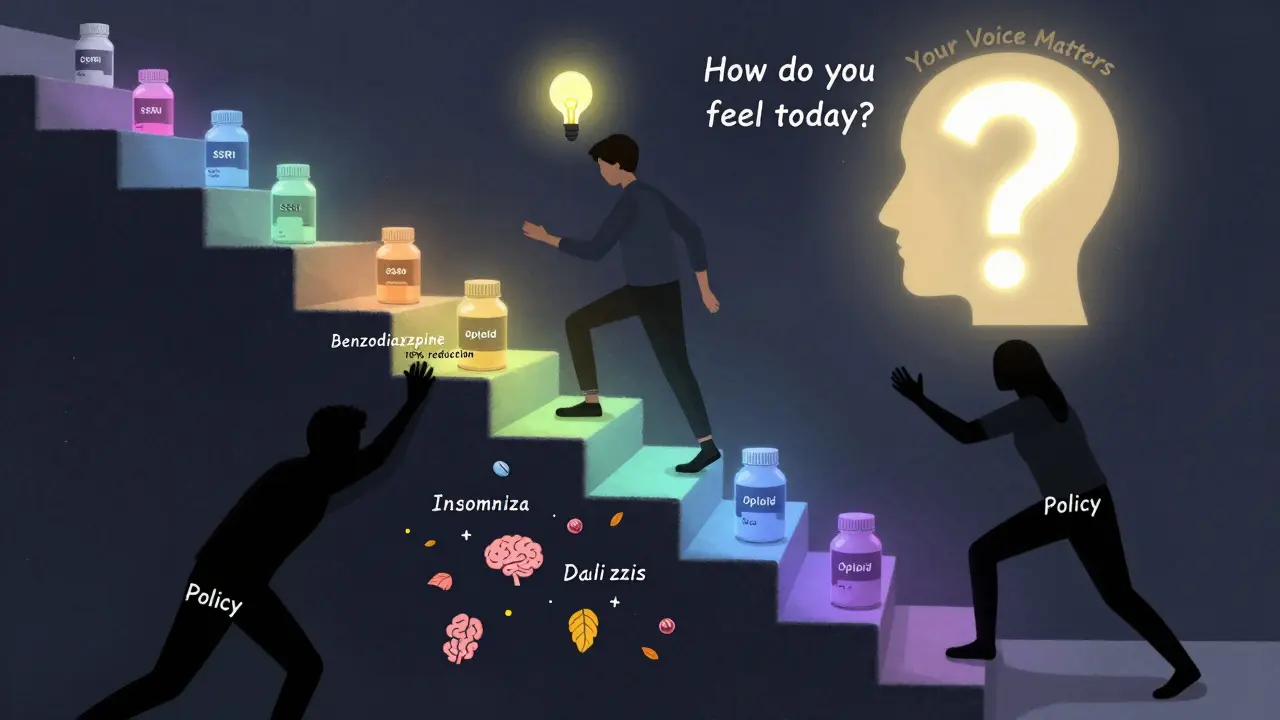
What to Watch For During the Taper
Withdrawal symptoms don’t always show up right away. With antidepressants, they can appear days after a dose change. With benzodiazepines, they can creep in weeks later. Common signs include:- Insomnia or vivid dreams
- Headaches or dizziness
- Anxiety, irritability, or panic attacks
- Nausea, sweating, or flu-like symptoms
- “Brain zaps”-sudden electric-shock sensations in the head
Red Flags in Provider Communication
Not all providers handle tapering the same way. Watch out for these warning signs:- “We’re cutting you off because of new rules.” That’s not personalized care-it’s policy enforcement.
- “You’ve been on it too long. Just stop.” Duration doesn’t equal dependency. Many people take antidepressants for years without issue.
- No written plan. If you don’t have a schedule in writing, you’re flying blind.
- “Call if you have problems.” That’s passive. You need proactive support, not a lifeline thrown in the ocean.
What You Can Do Right Now
If you’re thinking about stopping a medication:- Don’t wait for your provider to bring it up. Initiate the conversation.
- Bring a list of your medications, doses, and how long you’ve taken each.
- Write down your goals: “I want to feel more in control of my body,” or “I’m tired of side effects.”
- Ask for the ASAM or CDC guidelines-they’re publicly available.
- Request a written taper schedule with dates and doses.
- Ask: “What’s your success rate with tapering patients like me?”
When Tapering Isn’t the Right Choice
Sometimes, stopping isn’t safe. If you have:- A history of seizures or severe withdrawal before
- Uncontrolled mental illness (like bipolar disorder or major depression)
- Chronic pain that’s managed well by the medication
- Polysubstance use (alcohol, opioids, benzodiazepines together)
What’s Changing in 2026
New rules are making safe tapering more common. In 2023, Medicare began requiring individualized taper plans for high-dose opioid users. The FDA now requires all long-acting opioids to include tapering instructions on packaging. And by 2027, experts predict that tapering protocols will be standard for all medications with dependence risk. The biggest shift? Patient-controlled tapers. New data from the New England Journal of Medicine (January 2024) shows that letting patients adjust their pace-within safe limits-reduces withdrawal severity by 31%. That means your voice matters more than ever.Can I stop my medication cold turkey?
For most medications-especially antidepressants, benzodiazepines, and opioids-stopping suddenly is risky. It can cause severe withdrawal symptoms like seizures, intense anxiety, or rebound pain. Even if you feel fine, your body has adapted to the drug. Abruptly removing it shocks your system. Always talk to your provider first.
How long does a typical taper take?
It depends on the drug and how long you’ve been taking it. For antidepressants like paroxetine, expect 4-8 weeks. For benzodiazepines used long-term, 4-26 weeks is standard. Opioid tapers can be shorter-2-3 weeks-if you’re not dependent. But speed isn’t the goal. Safety is. Slower tapers have higher success rates and fewer side effects.
What if my doctor refuses to taper my medication?
If your provider won’t work with you, ask why. Are they following guidelines, or just avoiding the work? If it’s the latter, consider seeking a second opinion from a specialist in addiction medicine, pain management, or psychiatry. Many clinics now offer tapering programs. You have the right to a safe, individualized plan-not a blanket policy.
Are there tools to help me track my taper?
Yes. Many patients use free apps or printable journals to log daily symptoms, mood, and dose changes. The ASAM Provider Pocket Guide includes a sample taper log. Some digital tools now use AI to suggest adjustments based on your input. Even a simple notebook works-if you record symptoms every day and bring it to appointments.
Can I taper off multiple medications at once?
It’s not recommended. Tapering one medication at a time makes it easier to identify which drug is causing symptoms. If you’re on three medications, try to stabilize one first, then move to the next. Your provider should help you prioritize based on risk and benefit. Tapering too fast with multiple drugs increases the chance of severe withdrawal.
Johny Prayogi
Yessss this is SO TRUE 🙌 I was on 50mg sertraline for 3 years and my doc just said ‘you’re good to stop’ - no plan, no warning. I had brain zaps for 3 weeks straight. Felt like my skull was doing the electric slide. Don’t let anyone rush you. You know your body better than any algorithm. Ask for the ASAM guidelines - they’re free and legit. You deserve a voice in this. 💪
Allison Priole
i just want to say that i’ve been tapering off my benzos for 6 months now and honestly? it’s been the hardest thing i’ve ever done emotionally. but i’m so glad i didn’t just quit cold turkey. my doc was like ‘oh you’ve been on it 8 years? yeah we’ll cut 10% every 3 weeks’ - and that felt so much more human than the ‘you’re done’ approach. i keep a little journal where i write ‘today i felt calm’ or ‘today i cried for no reason’ and it helps me see progress even when it feels like i’m stuck. also - if you’re scared? that’s okay. being scared doesn’t mean you’re weak. it means you’re paying attention. ❤️
Casey Tenney
Doctors who don’t taper properly are negligent. Period. This isn’t a suggestion - it’s malpractice. If your provider treats you like a number, find a new one. You’re not asking for a favor. You’re asking for basic care.
Sandy Wells
I find it concerning how many people treat tapering like a personal choice rather than a medical protocol. The guidelines exist for a reason. If you're going to stop medication you need to follow a structured plan. Emotional appeals don't replace clinical judgment.
Bryan Woody
Oh honey let me tell you about my cousin who tried to taper off fluoxetine in 3 days because ‘she felt fine.’ She ended up in the ER with serotonin syndrome and a 3-day hospital stay. People think ‘I’m fine’ means ‘my body isn’t screaming.’ It’s not. It’s just quiet. And quiet is dangerous. The fact that ASAM says 4-8 weeks for paroxetine? That’s not a suggestion. That’s a lifeline. And if your doctor won’t give you a written plan? That’s not negligence - that’s a red flag painted neon. Get a second opinion. Or three. Your brain is worth it.
Timothy Olcott
USA rules. We don’t need some European guideline telling us how to treat our own people. If you’re on meds too long, you’re weak. Just stop. Build willpower. America doesn’t coddle. You want safety? Build it yourself. No one else is gonna do it for you.
Desiree LaPointe
How quaint. You think a ‘journal’ is going to prevent seizures? You think a ‘conversation’ replaces a pharmacokinetic model? Darling, the fact that you’re still using the word ‘brain zaps’ like it’s a TikTok trend proves you’ve never read a single peer-reviewed paper. The FDA doesn’t care about your feelings - it cares about half-lives and receptor occupancy. If you can’t articulate your taper schedule in milligrams per day with a 95% confidence interval, you’re not ‘empowered’ - you’re a liability. Please, for the love of all that is clinical, stop romanticizing withdrawal.
matthew runcie
I’ve been on the same dose of escitalopram for 11 years. My doc asked if I wanted to taper. I said no. She said okay. No pressure. No judgment. Just: ‘Your body, your call.’ That’s all I needed. Sometimes the best care isn’t about changing anything - it’s about respecting that you’re already doing the right thing for yourself.