
Drug Safety: What You Need to Know About Risks, Interactions, and Real-World Protection
When you take a medication, drug safety, the practice of using medicines in a way that minimizes harm while maximizing benefit. Also known as medication safety, it’s not just what’s on the bottle—it’s what happens when that pill meets your body, your other meds, your diet, and your life changes. Too many people assume if a doctor prescribed it, it’s automatically safe. But drug safety is active, not passive. It means knowing when a common painkiller might clash with your blood pressure med, or how a simple supplement like zinc can make your antibiotic useless.
Real drug safety involves understanding side effects, expected but often uncomfortable reactions that aren’t allergic versus allergic reactions, your immune system overreacting to a drug, which can be life-threatening. Mixing up the two leads to wrong labels—like calling a stomach upset a penicillin allergy—and that can cost you better treatment options later. It also means watching for medication interactions, when two or more drugs, foods, or supplements change how each other works in your body. Caffeine slowing down your thyroid med. Gabapentin making opioids dangerously sleepy. Zinc blocking antibiotics. These aren’t rare edge cases—they happen every day, and most people don’t know until something goes wrong.
Drug safety isn’t just about pills. It’s about your calendar. Did you forget your meds during a move? Are you taking something new because you’re stressed? Are you still using that old bottle of painkillers from last year’s back flare-up? medication adherence, taking your drugs exactly as prescribed, even when you feel fine is a huge part of safety. Skipping doses, doubling up, or ignoring expiration dates can be just as risky as the wrong combination.
You’ll find real stories here—not theory. How a nursing mom found out metoclopramide could hurt her mood. Why a dad almost overdosed his toddler by mixing two cold syrups. What happened when someone took ephedrine with an old antidepressant. How a simple allergy list update prevented a hospital visit. These aren’t scare tactics. They’re wake-up calls from people who learned the hard way.
What follows isn’t a list of warnings. It’s a toolkit. You’ll learn how to check active ingredients before giving medicine to a child, how to space out zinc and antibiotics, how to spot a dangerous rash before it spreads, and how to talk to your OB/GYN about what’s safe during pregnancy. You’ll see how first generics can cut prices by 90%, why your grandma’s brand-name trust might not help you today, and how your sleep apnea could get worse with pain meds you didn’t think were connected.
Drug safety isn’t about being paranoid. It’s about being informed. And you’re not alone in figuring it out. These posts are written for people who take meds, care for someone who does, or just want to avoid the next headline about another preventable mistake. Read what’s relevant. Skip what’s not. But don’t skip the whole thing—because the next thing you learn might be the one that keeps you safe.
How Pharmacogenetic Testing Prevents Dangerous Drug Reactions
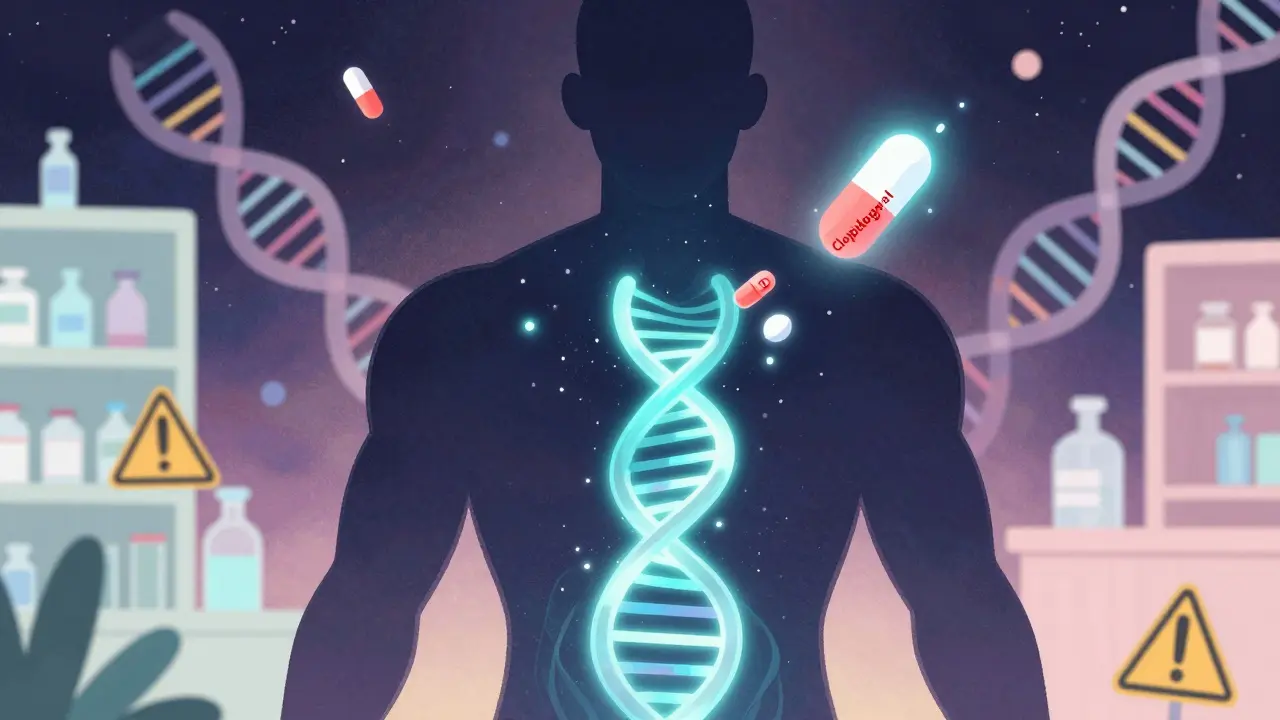
Pharmacogenetic testing uses your DNA to predict how you'll respond to medications, helping doctors avoid dangerous side effects. Studies show it reduces adverse drug reactions by up to 30%.
MoreHow to Interpret Risk vs. Benefit in FDA Safety Announcements

Learn how to read FDA safety alerts without panicking. Understand the difference between potential signals and confirmed risks, and how to weigh the benefits of your medication against possible side effects.
MoreRecent Drug Safety Communications and Medication Recalls: What You Need to Know in 2025
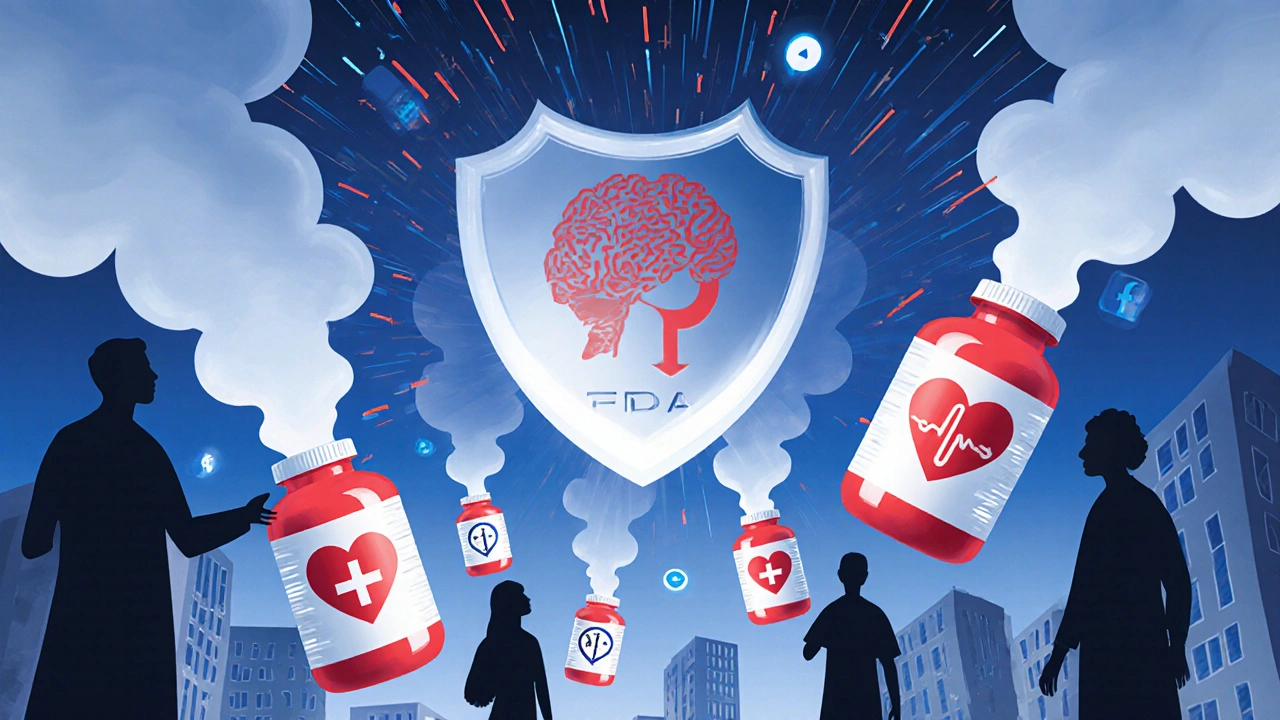
In 2025, the FDA issued major drug safety alerts on opioids, ADHD meds, Alzheimer's treatments, and vaccines. Learn what changed, what you need to know, and how to stay safe with your prescriptions.
More