
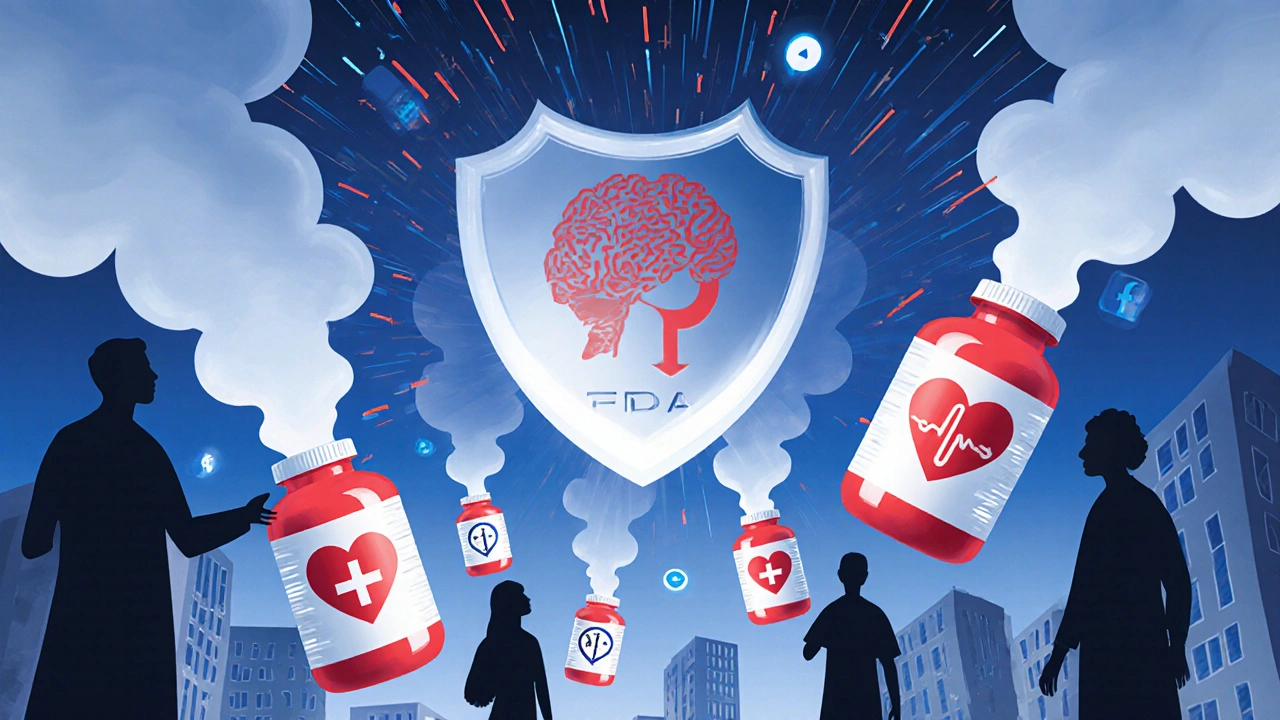
Every year, thousands of people take medications that work exactly as they should. But for some, a drug that’s been on the market for years can suddenly reveal a hidden danger - one that wasn’t caught during clinical trials. That’s where the FDA steps in. In 2025, the U.S. Food and Drug Administration has issued more drug safety alerts than ever before, forcing changes to how doctors prescribe, how patients take their meds, and even how some drugs are labeled - or pulled from shelves entirely.
Why Drug Safety Alerts Happen After Approval
You might think if a drug made it through FDA approval, it’s safe. But clinical trials only involve a few thousand people over months or a couple of years. Real-world use involves millions - over decades. That’s when rare side effects, long-term risks, or dangerous interactions finally show up. The FDA doesn’t just sit back and wait. They monitor reports from doctors, hospitals, patients, and even social media. They analyze data from the Vaccine Adverse Event Reporting System (VAERS), electronic health records from 300 million Americans through the Sentinel Initiative, and studies funded by drug companies themselves. When something new pops up - like a spike in heart inflammation after a vaccine, or unexplained brain swelling in Alzheimer’s patients - they issue a Drug Safety Communication (DSC). These aren’t warnings you’ll find on a pill bottle. They’re official, detailed notices meant for both healthcare providers and patients. And they can mean big changes: updated labels, new monitoring rules, or even full recalls.Opioid Labels Got a Major Overhaul
The biggest safety update of 2025 came on July 31, when the FDA forced changes to the prescribing information for all 46 opioid pain medications in the U.S. This wasn’t just a tweak. It was a full rewrite. For the first time, manufacturers had to include hard numbers:- 1 in 12 patients (8.3%) who take opioids for more than 90 days develop opioid use disorder.
- 1 in 100 patients (1%) may experience a fatal overdose over five years of use.
- New risks like toxic leukoencephalopathy - a rare but deadly brain condition - are now listed in overdose warnings.
- Gabapentinoids like Neurontin and Lyrica are now flagged as dangerous when mixed with opioids.
ADHD Meds and Weight Loss in Kids
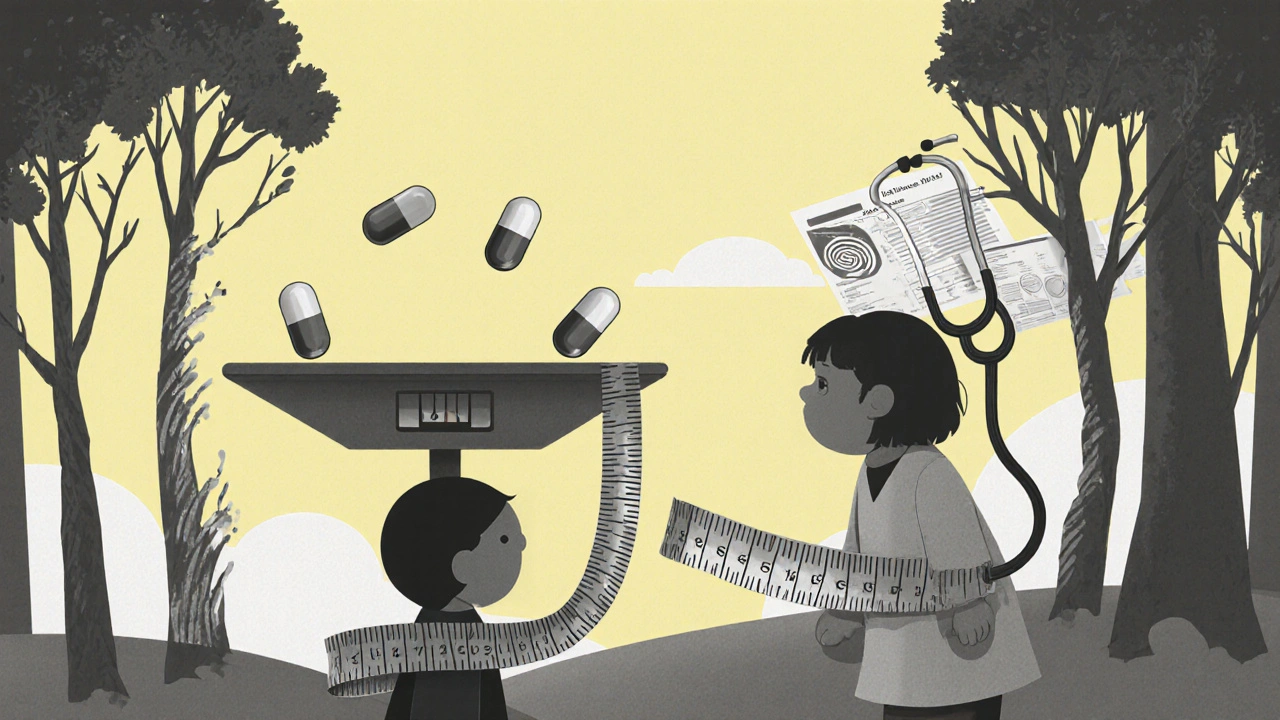
On June 30, 2025, the FDA issued a warning about extended-release stimulants used for ADHD - drugs like Adderall XR, Vyvanse, and Concerta. These medications, taken by about 9.4 million children and teens in the U.S., can cause significant weight loss, especially in kids under 6. The new guidance says doctors must:- Measure a child’s weight before starting treatment.
- Check weight every 3 months.
- Stop the drug if weight drops more than 5% from baseline.
Alzheimer’s Drug Leqembi Needs MRI Scans
Leqembi, one of the first drugs to slow cognitive decline in early Alzheimer’s, got a major safety update on August 28, 2025. The FDA now requires patients to get brain MRIs at 5 and 14 months after starting treatment. Why? Because of ARIA - amyloid-related imaging abnormalities. In the first year after Leqembi’s approval, over 270 cases were reported. Most were mild, but some led to brain swelling or bleeding. The MRI scans help catch these early. Without them, symptoms like headaches, confusion, or dizziness could be mistaken for Alzheimer’s progression. This is the first time the FDA has mandated imaging for a dementia drug. It adds cost and inconvenience - but could prevent serious harm.Other Notable Alerts in 2025
- Cetirizine and Levocetirizine (Zyrtec, Xyzal) - May 16, 2025: Added warnings about increased risk of drowsiness, especially in older adults. The FDA now recommends lower doses for patients over 65.
- mRNA COVID-19 Vaccines (Pfizer, Moderna) - June 25, 2025: Updated myocarditis risk data. For males 12-29, the risk is now confirmed at 1,195 cases per million second doses. Most cases are mild and resolve quickly, but the FDA now advises spacing doses further apart in high-risk groups.
- Transderm Scōp (scopolamine patch) - June 18, 2025: Added warning about heat sensitivity. The patch can cause dangerous side effects in temperatures above 86°F (30°C). Patients are told to avoid hot tubs, saunas, and prolonged sun exposure.
- Clozapine - August 27, 2025: The FDA removed the strict REMS program that required monthly blood tests. Why? Because new data showed the risk of dangerous blood disorders is far lower than previously thought. This is rare - the FDA rarely reduces restrictions.
What You Should Do Right Now
If you or someone you care for is taking any of these medications, don’t panic. But do take action:- Check your prescription. Look up the drug name on the FDA’s Drug Safety Communications page. If it’s listed, read the full alert.
- Don’t stop cold turkey. Suddenly stopping some drugs - like opioids, ADHD meds, or antidepressants - can be dangerous. Talk to your doctor first.
- Ask about monitoring. If you’re on Leqembi, ask when your next MRI is due. If you’re on stimulants and your child is under 6, ask if weight tracking is needed.
- Know the signs. For opioids: confusion, slow breathing, extreme drowsiness. For myocarditis: chest pain, shortness of breath, racing heart. For ARIA: headache, nausea, vision changes. Report these immediately.
Why This Matters for Everyone
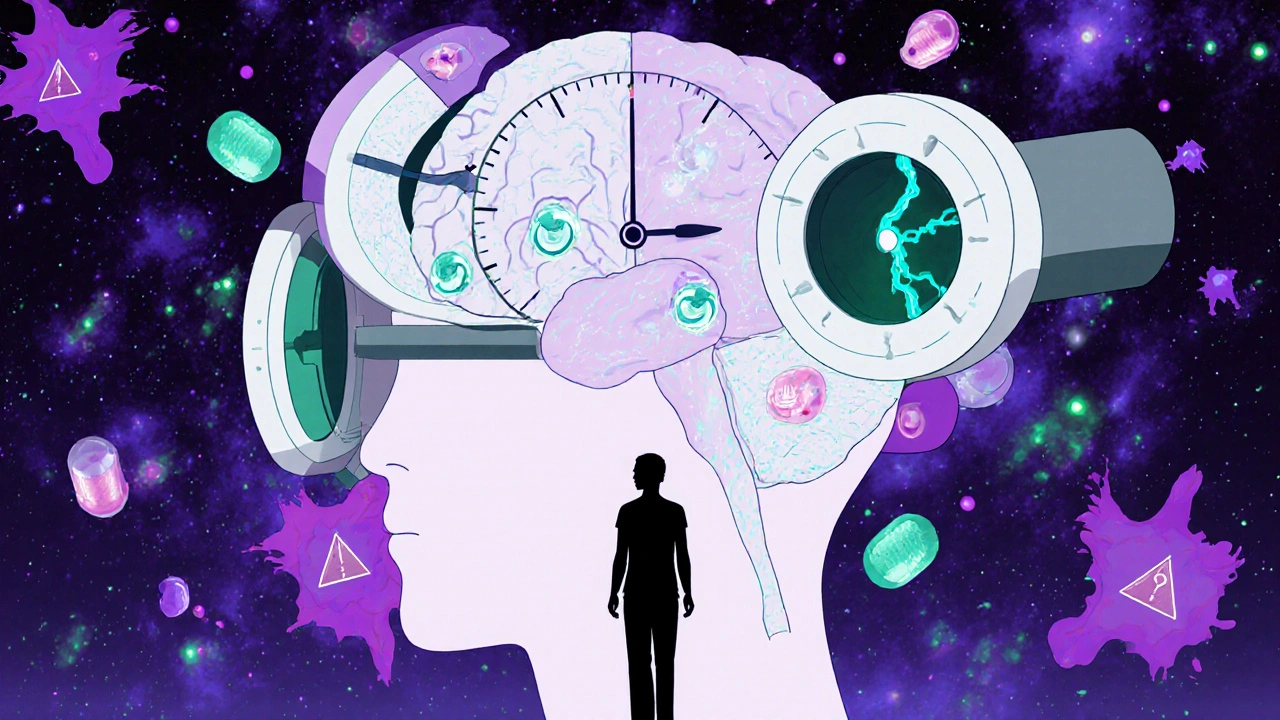
These aren’t just isolated warnings. They reflect a bigger shift. The FDA is moving from a “approve and hope” model to a “watch and act” model. In 2020, they issued 47 safety alerts. In 2024, that jumped to 68. In 2025, they’re on pace to break 80. Why? Because we’re living longer. We’re taking more drugs. And we’re using them for longer. A pill that’s safe for a 30-year-old might not be safe for a 75-year-old with kidney issues. A drug that works for a few months might cause problems after five years. The pharmaceutical industry is responding too. Companies are spending 28.5% more on postmarket safety studies than they did in 2020. That’s good - it means they’re investing in real-world safety, not just getting a drug to market. But there’s a catch. Many doctors say they don’t have time to go over these new warnings in a 15-minute visit. And not all patients have access to alternatives - like physical therapy for pain or behavioral therapy for ADHD. The FDA knows this. That’s why they now offer free Medication Guides in 18 languages, clinician fact sheets, and even free continuing education credits for doctors.What’s Next?
The FDA’s 2026-2030 plan says they want to issue safety alerts within 30 days of confirming a risk - down from the current 60-90 days. That means faster changes, more frequent updates, and more pressure on drugmakers to prove their products are safe long-term. They’re also considering a new rule: if a drug has a black box warning (the strongest type), it must generate real-world evidence within two years. That could mean mandatory tracking of thousands of patients - something that will raise costs and possibly delay new drug approvals. For patients, this means staying informed is no longer optional. You can’t rely on your doctor to remember every alert. You can’t trust a drug label from five years ago. You need to know what’s changed - and what you need to do about it.What to Do If You’re Concerned
If you’re worried about a medication you’re taking:- Visit fda.gov/drugs/drug-safety and search by drug name.
- Call your pharmacist. They get the same alerts as doctors - and can explain them in plain language.
- Keep a list of all your meds, including doses and start dates. Bring it to every appointment.
- Use the FDA’s MedWatch app to report side effects. Your report could help prevent harm to someone else.
What should I do if I see a drug recall notice?
Don’t panic. First, check if your specific brand and lot number are listed on the FDA’s recall page. Most recalls affect only certain batches, not all versions of the drug. Contact your pharmacy or doctor - they’ll tell you whether to stop taking it, switch to another brand, or keep using it. Never throw away medication without professional advice.
Are generic drugs less safe than brand-name ones?
No. Generic drugs must meet the same FDA standards for safety, strength, and quality as brand-name versions. The recent opioid labeling changes, for example, apply to all generic and brand opioids equally. The difference is price - generics make up 87% of opioid prescriptions but only 32% of sales value, meaning they’re widely used and closely monitored.
Can I trust drug safety alerts from the FDA?
Yes. The FDA is the most trusted source for drug safety in the U.S. Their alerts are based on real data from millions of patients, not rumors or small studies. They require drugmakers to submit postmarket studies, review hospital reports, and analyze national databases. While no system is perfect, the FDA’s process is rigorous and transparent.
Why do some drugs get pulled while others just get new warnings?
It depends on how serious the risk is and whether it can be managed. If a drug causes life-threatening reactions in a small number of people - and there’s no safe way to monitor for it - the FDA may pull it. If the risk is rare, predictable, and can be reduced with monitoring or dosing changes (like MRIs for Leqembi or weight checks for ADHD meds), they update the label instead. Most alerts fall into the second category.
How often do drug recalls happen?
Full recalls are rare. In 2024, the FDA issued only 12 full recalls for prescription drugs out of over 4,000 approved medications. Most safety actions are label updates or new warnings. Recalls usually happen because of manufacturing problems - like contamination or mislabeling - not because the drug itself is unsafe. Always check the FDA’s recall list to see if your specific batch is affected.
jamie sigler
Ugh, another FDA alert. Can we just stop pretending these drugs are safe? They’re all just gamble-and-hope with our bodies. I’m done trusting anything with a pill bottle.
Bernie Terrien
Leqembi’s MRI mandate? More like a cash grab disguised as safety. $3,000 per scan, 2x a year - and you think grandma’s gonna pay that out of pocket? The system’s rigged.
Subhash Singh
It is indeed commendable that the FDA has intensified its post-market surveillance efforts. The integration of real-world data from the Sentinel Initiative represents a significant advancement in pharmacovigilance. However, one must also consider the socioeconomic disparities in access to such monitoring, particularly in underserved communities where healthcare infrastructure remains under-resourced.
Geoff Heredia
Let’s be real - the FDA doesn’t care about us. They’re just following Big Pharma’s script. Those ‘massive studies’? Funded by the same companies that made the drugs. The MRIs for Leqembi? Designed to keep people dependent on clinics. And don’t get me started on how they quietly buried the fact that 70% of opioid overdoses happen after a prescription refill. They want you scared, but not smart enough to ask why.
Andrew Keh
I appreciate the transparency. It’s hard to know what to trust these days, but seeing actual numbers - like 1 in 12 developing addiction - helps make sense of the risks. I’ve talked to my doctor about my dad’s pain meds, and we’re adjusting his dose. Small steps matter.
Peter Lubem Ause
This is exactly the kind of information we need - clear, factual, and actionable. For those of us managing chronic conditions or caring for aging parents, knowing the real-world stats - not just marketing slogans - is life-changing. I’ve already shared the FDA’s Medication Guide with my sister, who’s on Vyvanse. Her son’s weight dropped 6% in two months - she didn’t even know to track it. Now she’s scheduled a checkup. Thank you for this.
linda wood
Oh, so now the FDA’s got a conscience? Funny how they only act after lawsuits pile up and the media catches fire. Remember when they let OxyContin slide for 15 years? This is damage control dressed up as ‘progress.’
gerardo beaudoin
My grandma’s on Zyrtec and she’s been nodding off in her chair. I had no idea the dose needed to be lowered for seniors. Just read the alert and called her pharmacist - they switched her to a non-drowsy version. Took five minutes. This stuff matters.
Mary Kate Powers
Don’t let the fear drown out the progress. The fact that we’re getting real data, mandatory monitoring, and clearer warnings? That’s a win. It’s not perfect, but it’s moving in the right direction. Keep asking questions - that’s how we make it better.
Sara Shumaker
What’s interesting is how this shift reflects a deeper truth: medicine is no longer about curing - it’s about managing risk over decades. We’re living longer, taking more pills, and expecting drugs to work flawlessly for 20+ years. But biology doesn’t do flawless. Maybe the real question isn’t ‘why are more drugs being flagged?’ - but ‘why did we ever think they wouldn’t be?’