

Most people take simethicone without a second thought. It’s in the medicine cabinet for a reason - it works fast to relieve bloating, gas, and that uncomfortable pressure after meals. But just because it’s available over the counter doesn’t mean it’s harmless. While serious side effects are rare, they do happen. And if you’re taking it daily, mixing it with other meds, or have underlying health conditions, you might be ignoring warning signs.
What Simethicone Actually Does
Simethicone isn’t absorbed by your body. It doesn’t cure gas - it just breaks up the bubbles. Think of it like dish soap in a sink full of suds. The soap doesn’t remove the dirt, but it makes the foam collapse so it drains away. Simethicone does the same inside your gut. It’s made of silicone, a synthetic compound that’s inert and passes right through you. That’s why it’s considered safe for babies, pregnant women, and seniors.
It’s found in brands like Gas-X, Mylanta Gas, and Phazyme. Some combination products include it with antacids like aluminum hydroxide or magnesium hydroxide. That’s important - because while simethicone itself is low-risk, the other ingredients in those mixtures might not be.
Common Side Effects: Rare, But Not Zero
The official product labels list almost nothing. That’s because in clinical trials, simethicone caused no more side effects than a sugar pill. But real life isn’t a trial. People report things like mild nausea, loose stools, or constipation - especially if they’re taking it with other digestive meds. One 2023 review of 12,000 over-the-counter gas relief users found that less than 0.3% reported any gastrointestinal upset directly linked to simethicone. Still, that’s 36 people out of 12,000. And for those 36, it mattered.
Some users say they feel worse after taking it. Not because simethicone is toxic, but because it changes how gas moves. If you have IBS or slow gut motility, breaking up bubbles might cause a temporary shift in pressure that feels like cramping. It’s not an allergic reaction - it’s mechanical. Think of it like popping a balloon in a crowded room. The noise is sudden, but nothing’s broken.
When Simethicone Might Be Dangerous
The real risk isn’t simethicone itself. It’s what you’re mixing it with. If you’re taking it alongside magnesium-based antacids, you could be increasing your risk of diarrhea or electrolyte imbalance - especially if you have kidney problems. People over 65 with reduced kidney function are more likely to build up magnesium in their blood, which can lead to muscle weakness, irregular heartbeat, or even confusion.
Also, if you’re taking simethicone daily for months because you think it’s fixing your digestion, you might be masking something serious. Chronic bloating could be lactose intolerance, small intestinal bacterial overgrowth (SIBO), or even early signs of celiac disease. Simethicone doesn’t treat those. It just hides the symptom.
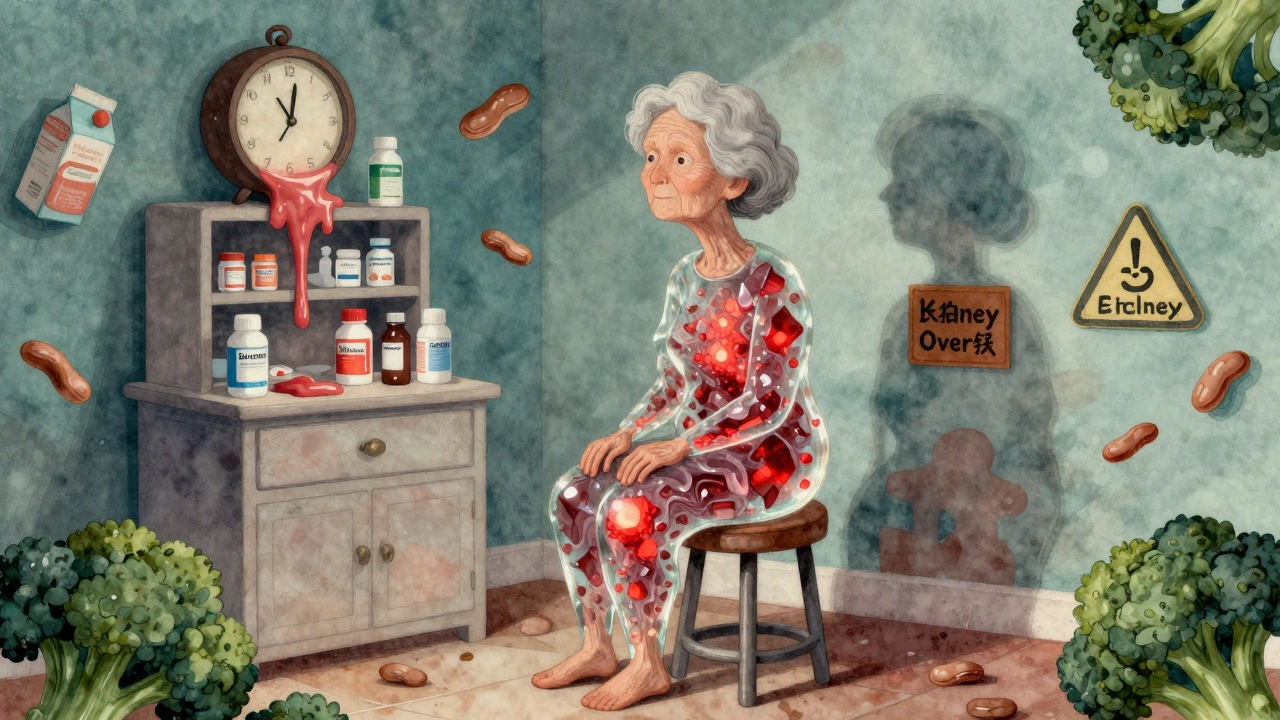
One case study from a Sydney hospital in 2024 followed a 71-year-old woman who took simethicone with an antacid every day for 11 months. She started feeling dizzy and weak. Blood tests showed high magnesium levels - 2.8 mmol/L (normal is 0.7-1.0). Her kidneys were struggling to clear it. Stopping the meds fixed it in three days.
Allergic Reactions: What to Do If It Happens
Allergic reactions to simethicone are extremely rare - fewer than 1 in 100,000 users. But they can be serious. Signs include:
- Hives or skin rash
- Swelling of the face, lips, tongue, or throat
- Difficulty breathing
- Dizziness or fainting
If you experience any of these, stop taking it immediately. Call emergency services. Don’t wait. Even if it’s your first time taking simethicone, your body might react unexpectedly. There’s no known cross-reactivity with other drugs, but your immune system doesn’t always follow logic.
Who Should Avoid Simethicone
You don’t need to avoid it if you’re pregnant or breastfeeding - studies show no risk to the baby. But there are a few situations where caution is smart:
- You have a known allergy to silicone-based products (like implants or medical tubing)
- You’re on dialysis or have severe kidney disease
- You’re taking medications that affect electrolytes (like diuretics or heart meds)
- You’ve had unexplained abdominal pain for more than two weeks
If you’re unsure, talk to your pharmacist. They can check for interactions with your other meds. Many people don’t realize that even “safe” OTC drugs can interact. For example, simethicone can reduce the absorption of levothyroxine (a thyroid med) if taken at the same time. Space them out by at least four hours.
What to Do If You Think It’s Causing Problems
Keep a simple log for a week. Write down:
- When you took simethicone
- What you ate before
- What symptoms you felt and when
- How long they lasted
Maybe it’s not simethicone at all. Maybe it’s the carbonated drink you had with lunch. Or the high-FODMAP snack you thought was harmless. Track it. Patterns emerge. You might find you only feel bloated after cheese or beans - and that’s something you can actually change.
If symptoms persist after stopping simethicone for five days, see a doctor. Don’t assume it’s just “gas.” Persistent bloating, unexplained weight loss, blood in stool, or pain that wakes you up at night aren’t normal. They need testing.

Alternatives to Simethicone
If you’re worried about side effects, or it just doesn’t work for you, there are other options:
- Diet changes: Reduce beans, broccoli, onions, dairy, and artificial sweeteners. These are the top gas triggers.
- Probiotics: Strains like Bifidobacterium infantis have been shown in multiple studies to reduce bloating in people with IBS.
- Peppermint oil capsules: Enteric-coated versions can relax gut muscles and reduce gas pressure. Studies show they work as well as simethicone for some people.
- Activated charcoal: May help absorb gas, though evidence is mixed. Avoid if you’re on other meds - it binds to them too.
None of these are magic. But they address the root cause, not just the symptom. And that’s where real relief comes from.
Final Thoughts: Safe, But Not Invisible
Simethicone is one of the safest OTC drugs out there. But safety doesn’t mean silence. Your body talks. If you feel strange after taking it - even a little - listen. Don’t brush it off as “just gas.” Keep track. Talk to someone. And don’t keep taking it just because it’s on the shelf.
Most people use it once or twice a month and never have an issue. But if you’re using it daily, for months, or alongside other meds, you’re not just managing gas - you’re managing risk. And that’s something worth paying attention to.
Can simethicone cause long-term damage?
No, simethicone doesn’t cause long-term damage. It passes through your system unchanged and isn’t absorbed. But using it daily for months without addressing the cause of your gas can delay diagnosis of conditions like IBS, SIBO, or food intolerances. The drug itself is harmless - the habit might not be.
Is it safe to take simethicone every day?
It’s physically safe, but not always wise. Daily use often means you’re treating a symptom, not the cause. If you need it every day for more than two weeks, talk to a doctor. You might have an underlying issue like lactose intolerance, celiac disease, or a gut microbiome imbalance that needs different treatment.
Can simethicone interact with other medications?
Yes. Simethicone can reduce how well your body absorbs certain drugs, especially thyroid medication (levothyroxine), antibiotics like tetracycline, and some antidepressants. Take it at least four hours before or after other pills. Also, avoid combination products with magnesium or aluminum if you have kidney problems.
Does simethicone help with acid reflux?
No. Simethicone only breaks up gas bubbles. It doesn’t reduce stomach acid or prevent reflux. If you’re taking it for heartburn, you’re using the wrong tool. Look for antacids, H2 blockers, or PPIs instead - but only after checking with a doctor, especially if you’re using them regularly.
Can children and babies take simethicone?
Yes. Simethicone is approved for infants and is commonly used for colic. It’s not absorbed, so it doesn’t enter the bloodstream. Dosing is based on weight - always follow the label or your pediatrician’s advice. Some parents report it helps, others don’t notice a difference. It’s safe to try, but not a guaranteed fix for crying babies.
Next Steps
If you’ve been taking simethicone regularly and are unsure whether it’s helping or hiding something, start with this: stop for five days. Write down how you feel. Are you bloated? Painful? Gassy? Then, try one dietary change - cut out dairy for a week, or skip carbonated drinks. See what shifts. If nothing improves, or things get worse, see a doctor. Don’t wait for pain to become unbearable. Your gut is trying to tell you something. Simethicone just turns down the volume.
Lauryn Smith
I started tracking my meals and simethicone use after reading this and realized I only feel bloated after dairy and beans. Stopped the gas pills and cut out cheese for a week - my stomach finally feels normal. This isn't about the medication, it's about listening to your body.
Bonnie Youn
Stop taking simethicone like candy and start fixing the root cause already. You don't need a pill for every burp. Try cutting out soda and artificial sweeteners first - they're the real culprits for 80% of people. Your gut isn't broken, you're just feeding it garbage.
Edward Hyde
Oh wow another ‘simethicone is safe’ PSA. Newsflash - if you’re popping these daily because you eat like a garbage disposal, the problem isn’t the pill. It’s your diet. And your refusal to admit that pizza and Mountain Dew are not food groups. Get real.
Charlotte Collins
Let’s be honest - this whole post reads like a corporate pamphlet disguised as medical advice. Simethicone doesn’t cause harm? Sure, until you’re the 0.3%. Then it’s ‘oh, you’re just unlucky.’ Meanwhile, the real issue is pharmaceutical companies selling placebo solutions to keep you dependent while ignoring the systemic causes of digestive distress.
Margaret Stearns
I took this advice and stopped simethicone for five days. I also cut out carbonated drinks. My bloating dropped by 70%. I didn't even realize how much soda was contributing. Small changes matter. Thank you for the log idea - I'm keeping it.
amit kuamr
People in India use ginger tea and ajwain for gas. Why do you need chemical foam breakers? Your body knows how to handle gas. You just need to stop poisoning it with processed food and sugar. Simethicone is a crutch. Real food fixes real problems.
Scotia Corley
While simethicone is pharmacologically inert, its widespread use as a symptomatic palliative may contribute to diagnostic delay in patients presenting with chronic gastrointestinal complaints. The absence of systemic absorption does not equate to absence of clinical consequence when used chronically without diagnostic evaluation.
elizabeth muzichuk
My mom took this for 10 years and ended up in the ER with magnesium toxicity. They didn't even connect it until her potassium was 2.1. She thought it was ‘just gas pills.’ Now she’s on dialysis. Don’t be her. Stop ignoring your body until it screams.
Debbie Naquin
The epistemological framework of OTC pharmacology assumes inertness as safety, but this is a category error. Simethicone’s mechanism is physical, not biochemical - yet its behavioral reinforcement creates a feedback loop where symptom suppression replaces etiological inquiry. The real pathology is not in the gut, but in the medicalized normalization of discomfort.
Karandeep Singh
Simethicone is useless. Just stop eating beans.