
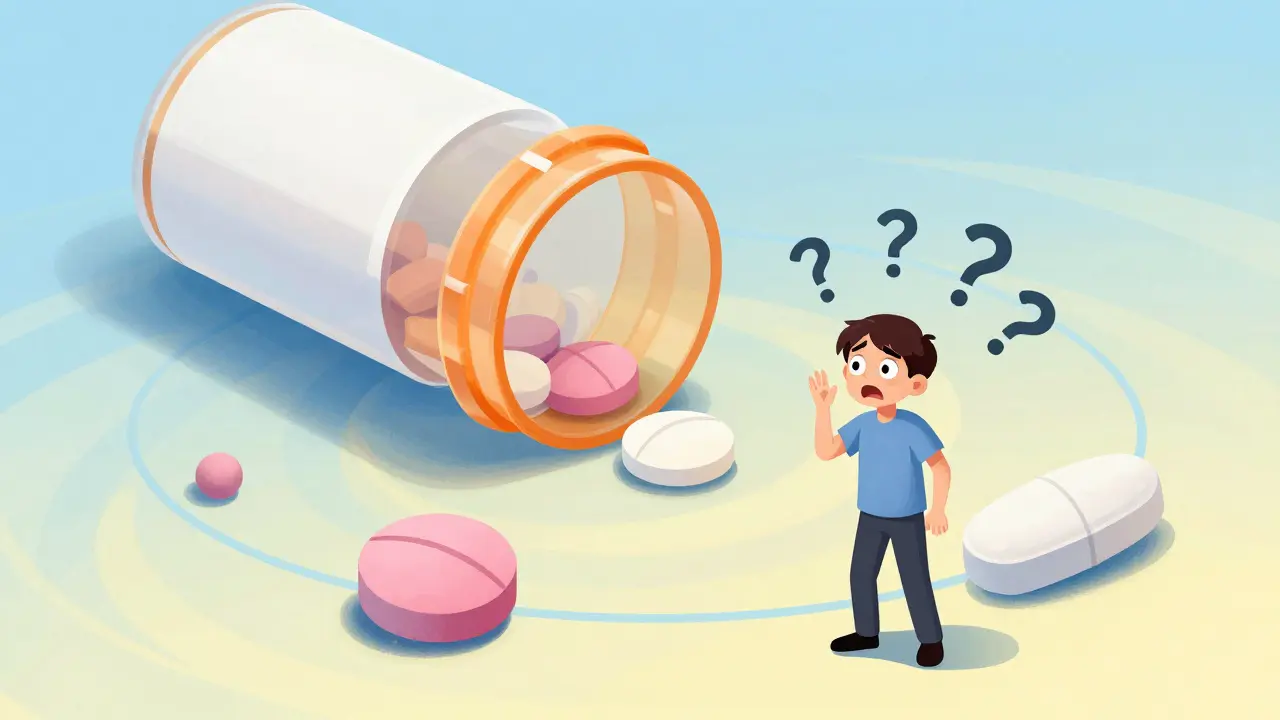
The goal is simple: making sure every person, regardless of their education level, feels confident that their medication is safe and effective. Whether you are a patient or a caregiver, understanding why generics look different and how they work is a critical part of staying healthy.
What Exactly Are Generic Medications?
To clear up the confusion, we first need to define what we're talking about. A generic medication is a drug created to be the same as an already marketed brand-name drug in dosage, safety, strength, route of administration, quality, performance characteristics, and intended use. Essentially, it's the same active ingredient but without the expensive brand label.
The tricky part is that while the active part of the medicine is identical, the "inactive ingredients"-like fillers, dyes, and binders-can vary. This is why a generic version of a drug might be a different color, shape, or size than the brand name. For a person with high health literacy, this is a minor detail. For someone struggling with health information, it can feel like they've been given the wrong medicine entirely. In fact, research shows that about 42% of patients can't correctly identify that generics are therapeutically equivalent to their brand-name counterparts.
The Real-World Risk of "Generic Distrust"
When people don't understand how generics work, they develop a lack of trust. This "generic distrust" isn't just a preference; it's a safety risk. If a patient believes a generic is "cheaper and therefore worse," they might refuse a necessary substitution or, worse, stop taking the medicine altogether.
Consider the impact on elderly patients or those managing multiple chronic conditions. If a medication for type 2 diabetes suddenly changes from a white oval to a pink round tablet, a patient might stop taking it for several days, thinking it's a new, unplanned drug. We've seen documented cases where this specific confusion led to emergency room visits due to spikes in blood sugar. This is why health literacy is less about "reading a label" and more about the organization's responsibility to make information clear and visually consistent.
| Feature | Brand-Name Drug | Generic Drug |
|---|---|---|
| Active Ingredient | Original developed formula | Identical to brand-name |
| Appearance | Consistent across refills | May vary by manufacturer |
| Cost | Higher (includes R&D/Marketing) | Lower (more affordable) |
| Effectiveness | Standardized | Therapeutically equivalent |
| Packaging | Uniform branding | Variable packaging |
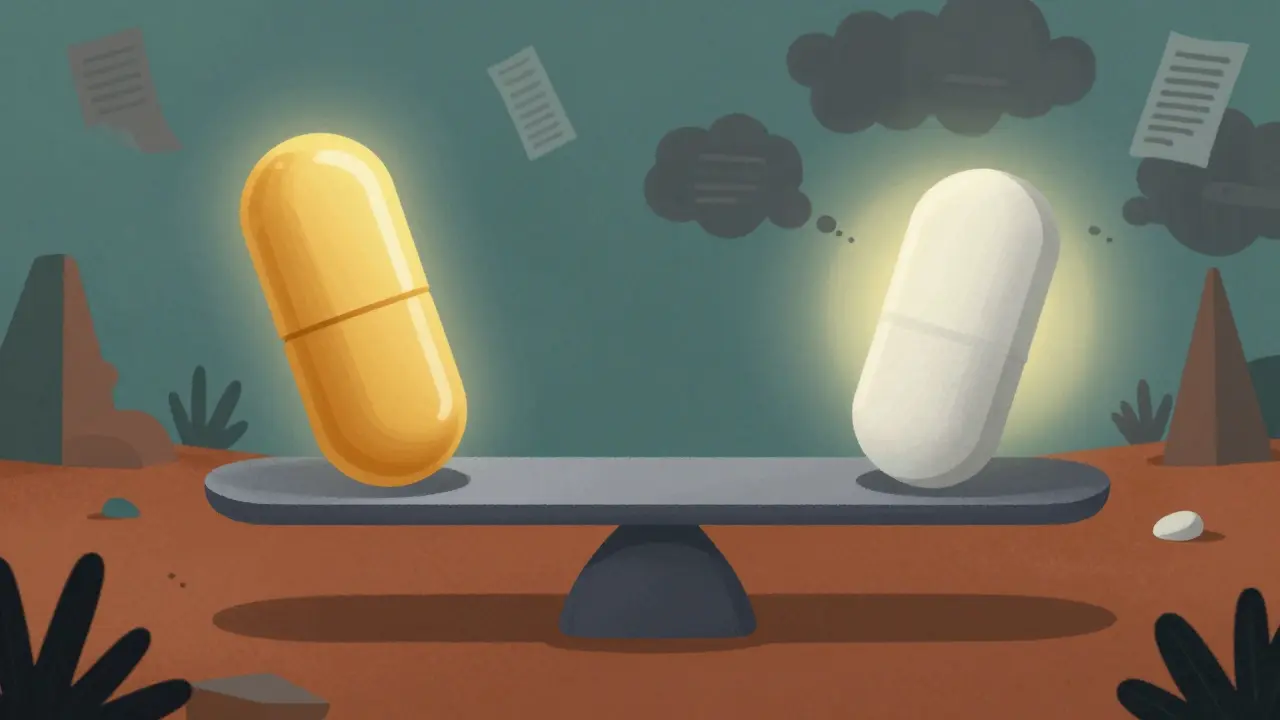
Common Barriers to Understanding
Why is it so hard for some people to grasp that a different-looking pill is the same medicine? There are a few cognitive and systemic barriers at play:
- Visual Discontinuity: We rely heavily on visual cues. When the color or shape changes, our brain signals "danger" or "change," which overrides the verbal assurance from a pharmacist.
- Complexity of Labeling: Many patient information leaflets are written in academic or medical language. Only about 37% of generic manufacturers actually use plain language principles in their leaflets.
- Fear of Lower Quality: There is a lingering belief that cheaper means less effective, which is particularly strong among populations with limited formal education.
- Polypharmacy Stress: For someone taking ten different pills a day, a change in one pill's appearance can throw off their entire mental organization system.
Practical Ways to Make Information Understandable
If you're a patient or a caregiver, you don't have to just "hope for the best." There are proven strategies to bridge the communication gap and ensure medication safety.
The "Ask Me 3" Approach
Instead of nodding along when a pharmacist explains a substitution, use the "Ask Me 3" method. Ask these three specific questions:
- What is the name of this medicine (Brand vs. Generic)?
- What is it being used for, and how exactly do I take it?
- What are the side effects, and when should I call the doctor?
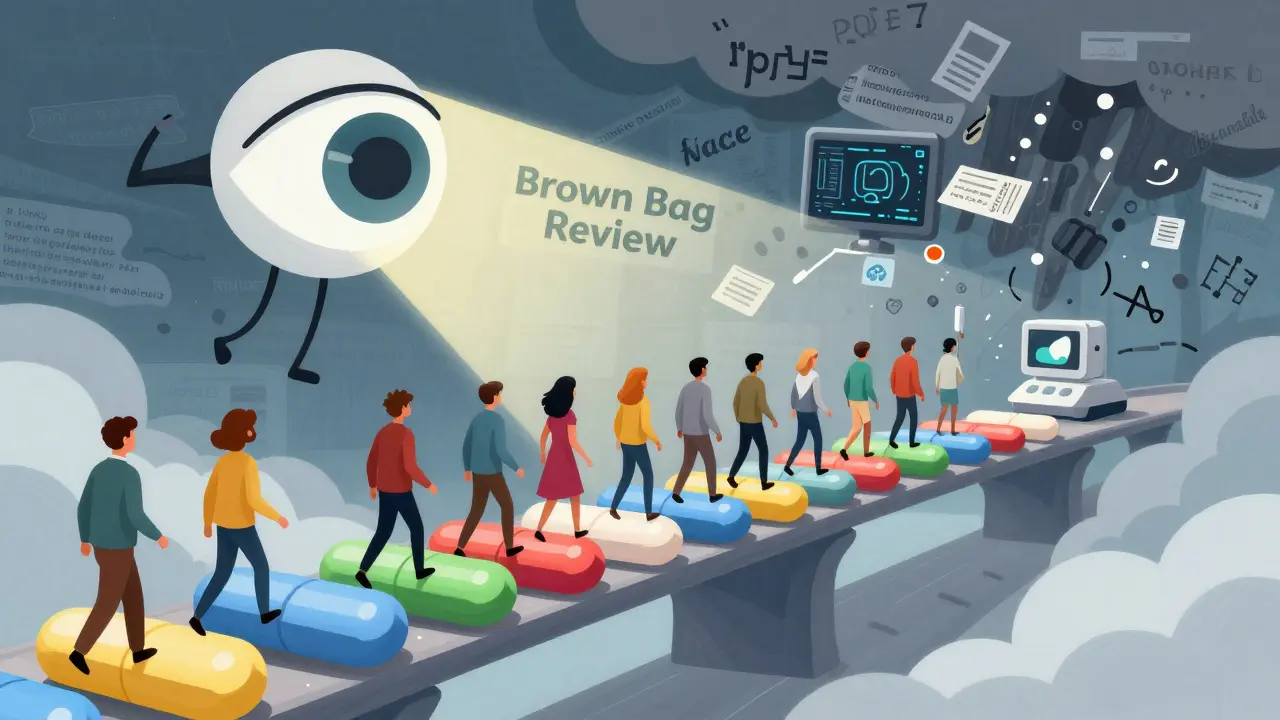
The Brown Bag Review
Once or twice a year, put every single medication, vitamin, and supplement you take into a brown bag and bring them to your doctor's appointment. This allows the provider to see exactly what you're taking, identify any visual changes in generics that might be confusing you, and clear up any discrepancies in real-time.
Leveraging Technology
Digital tools are becoming a lifeline for those with low health literacy. Apps like Medisafe use visual recognition features that help patients identify their pills regardless of the manufacturer. AI-powered tools are also emerging that can scan a pill and confirm its identity, reducing the anxiety associated with generic switches by over 60% in some studies.
Moving Toward Systemic Solutions
While individual strategies help, the real solution lies in how medications are designed and distributed. We are starting to see a shift toward "organizational health literacy," where the burden of understanding is shifted from the patient to the provider.
For example, some regions have implemented Medication Color Coding systems. By color-coding drugs based on their therapeutic class rather than the manufacturer's preference, errors can be reduced by a third. In Europe, standardized packaging requirements have already shown a significant drop in medication errors. When the packaging looks the same, the patient's brain doesn't trigger a warning signal, leading to better adherence and fewer ER visits.
Summary Checklist for Patient Safety
To ensure you're getting the most out of your medications, keep this quick checklist in mind during your next pharmacy visit:
- Confirm the name: Did the medication change from a brand name to a generic?
- Verify the appearance: Does the pill look different? If so, ask the pharmacist to confirm it's the same active ingredient.
- Check the dose: Ensure the strength (e.g., 50mg) remains the same despite the change in brand.
- Update your records: If you use a pill organizer or a tracking app, update the photo or description of the pill immediately.
- Ask for a plain-language summary: If the leaflet is too complex, ask the pharmacist to explain the most important points in simple terms.
Are generic drugs really as effective as brand-name drugs?
Yes. Generic medications must contain the same active ingredients and meet the same therapeutic standards as the brand-name version. They are required to be bioequivalent, meaning they work the same way in the body and provide the same clinical benefit.
Why does my generic medication look different every time I refill it?
Different manufacturers produce generic versions of the same drug. While the active medicine is the same, the inactive ingredients (like colors and binders) can differ. Pharmacies may also switch suppliers based on availability or cost, resulting in a different-looking pill.
What should I do if I'm afraid a generic switch was a mistake?
Do not take the medication if you are uncertain. Contact your pharmacist or doctor immediately. You can use the "Brown Bag" method by bringing the old and new bottles to the clinic to have the professional confirm the equivalence for you.
Can low health literacy actually lead to medical emergencies?
Yes. When patients don't recognize a generic substitute, they may stop taking their medication (non-adherence) or take the wrong dose. This has led to severe complications, such as hyperglycemia in diabetic patients who stopped taking metformin because the pill color changed.
How can I help a family member who struggles with medication names?
Use visual aids, such as a pill organizer with clear labels, or a medication app with photos of the pills. Accompany them to the pharmacy and help them ask the "Ask Me 3" questions to ensure the pharmacist provides clear, simple instructions.
Write a comment