
Zinc and Antibiotics: What You Need to Know About Interactions and Effectiveness
When you take zinc, a trace mineral essential for immune function, wound healing, and protein synthesis. Also known as zinc supplements, it's commonly used to shorten colds and support overall immunity. at the same time as antibiotics, medications designed to kill or slow the growth of bacteria. Also known as antibacterial drugs, they include common prescriptions like amoxicillin, ciprofloxacin, and doxycycline., things get tricky. Zinc doesn’t just sit there quietly—it can bind to certain antibiotics in your gut and block their absorption. That means the drug might not work as well, and your infection could drag on longer than it should.
This isn’t just theory. Studies show that zinc and antibiotics like tetracycline and quinolones (including ciprofloxacin) interact strongly. If you take them together, your body might absorb up to 50% less of the antibiotic. That’s not a small drop—it’s the difference between healing and needing a second round of treatment. Even if you’re taking zinc for a cold or to boost your immune system, timing matters. The best practice? Space them out by at least two to three hours. Take your antibiotic first, then wait before reaching for your zinc pill. It’s simple, but most people don’t know it.
And it’s not just about absorption. Zinc can also affect how your body responds to antibiotics over time. Some research suggests that zinc helps reduce inflammation and supports the immune system’s ability to clear infections, which could mean you recover faster—if the antibiotic is working properly. But if zinc blocks the drug, that benefit disappears. You’re left with a weaker treatment and a higher chance of antibiotic resistance developing. That’s why doctors and pharmacists often ask about supplements when prescribing antibiotics. They’re not being picky—they’re trying to keep your treatment effective.
Not all antibiotics react the same way. Penicillin and cephalosporins don’t bind to zinc as strongly, so the risk is lower. But if you’re unsure, assume the worst. Always check the label or ask your pharmacist. And don’t forget about food. Zinc is also in meat, beans, nuts, and whole grains. Eating a big meal with your antibiotic might slow absorption too, but it won’t cause the same chemical clash as a zinc supplement. Still, if you’re on a strict regimen, take your antibiotic on an empty stomach unless told otherwise.
What about using zinc to help antibiotics work better? Some studies have looked at combining zinc with antibiotics for stubborn infections like pneumonia or ear infections in kids. Early results are promising, but this is still experimental. Don’t start self-prescribing zinc just because you read a headline. The right dose, timing, and drug combo matter—and only a healthcare provider can sort that out for you.
Below, you’ll find real-world insights from people who’ve dealt with these interactions firsthand. From unexpected side effects to smart timing tricks, the posts here cut through the noise. You’ll learn what actually works, what’s a myth, and how to avoid common mistakes that cost time, money, and health.
Zinc Supplements and Antibiotics: How to Time Doses for Maximum Absorption
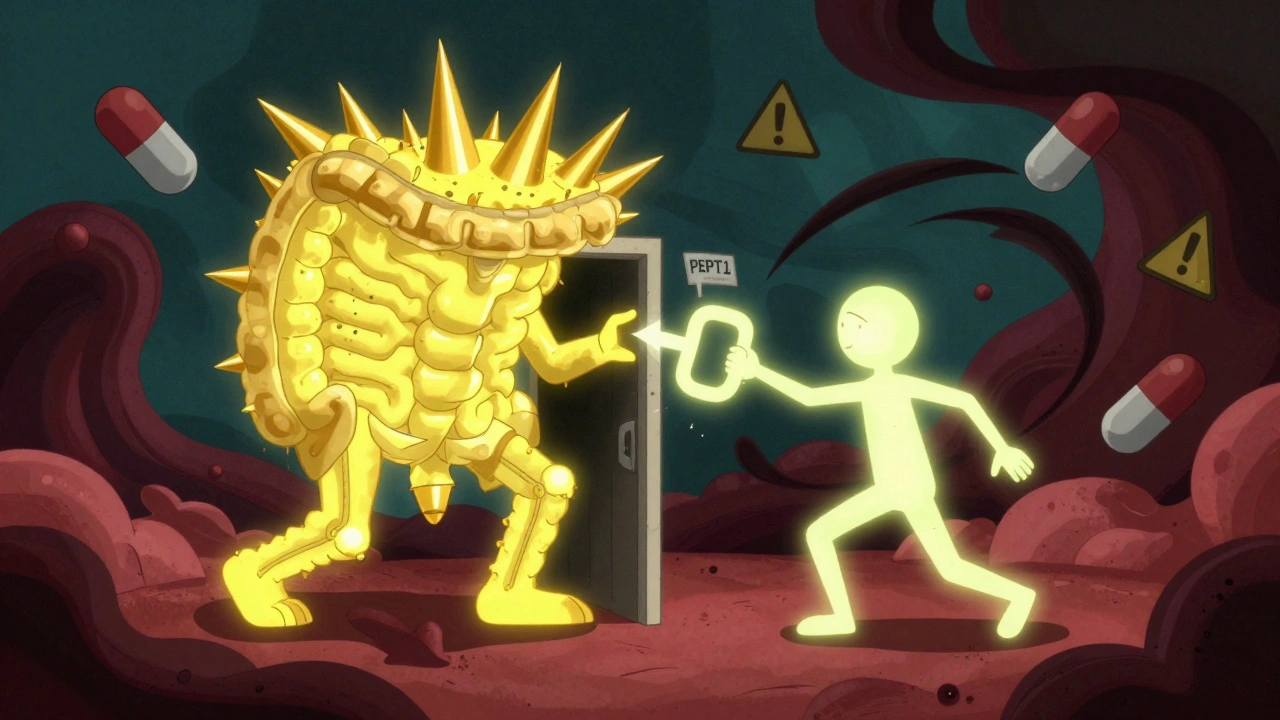
Taking zinc supplements with certain antibiotics can reduce their effectiveness. Learn how to time doses correctly-2 to 6 hours apart-to ensure your treatment works and avoid treatment failure.
More