
Unused Medication Disposal: Safe Ways to Get Rid of Expired or Unneeded Drugs
When you stop taking a medicine—whether it’s expired, no longer needed, or just sitting in your cabinet—unused medication disposal, the process of safely getting rid of drugs that are no longer in use. Also known as drug disposal, it’s not just about cleaning out your medicine cabinet. It’s about keeping your kids, pets, and water supply safe from accidental poisoning and contamination. Most people still toss pills in the trash or flush them down the toilet, thinking it’s harmless. But that’s not true. The FDA and EPA both warn that improper disposal leads to environmental harm, drug abuse, and even fatal overdoses in children who find leftover painkillers.
There are better ways. drug disposal programs, official take-back events or drop-off locations run by pharmacies and law enforcement are the gold standard. Many pharmacies, including those in grocery stores and hospitals, offer free drop-off bins for unused pills. You don’t need a receipt or ID—just bring the meds in their original containers. If that’s not available, the next best option is mixing them with something unappetizing—like coffee grounds or cat litter—sealing them in a plastic bag, and throwing them in the trash. Never crush pills unless instructed. And never flush them unless the label says to, which only applies to a few high-risk drugs like fentanyl patches.
It’s not just about the pills themselves. pharmaceutical waste, the leftover drugs and packaging that end up in landfills or water systems is a growing problem. Studies show traces of antidepressants, antibiotics, and hormones in drinking water because of improper disposal. These aren’t just numbers—they’re real risks to wildlife and human health over time. And it’s not just the elderly who need to worry. Parents with leftover antibiotics for kids, caregivers managing chronic pain meds, or even teens with unused ADHD prescriptions all contribute to this issue.
Many of the posts in this collection tie directly into this topic. You’ll find guides on how to create a medication expiration review schedule, how to update your allergy list to avoid dangerous mix-ups, and how to time doses correctly to prevent interactions. These aren’t just random tips—they’re all part of the same goal: keeping your home and body safe from medication-related risks. Whether you’re cleaning out your medicine cabinet after a hospital stay, dealing with a prescription change, or just tired of seeing old bottles gathering dust, the right disposal method matters.
There’s no shame in having extra pills. Life changes. Prescriptions get updated. But leaving them lying around—or worse, throwing them away the wrong way—puts everyone at risk. The solution isn’t complicated. Know where to drop them off. Know how to mix them safely. And know that doing this one small thing helps protect your family, your community, and the planet.
How to Safely Dispose of Unused Opioids to Prevent Misuse and Overdose
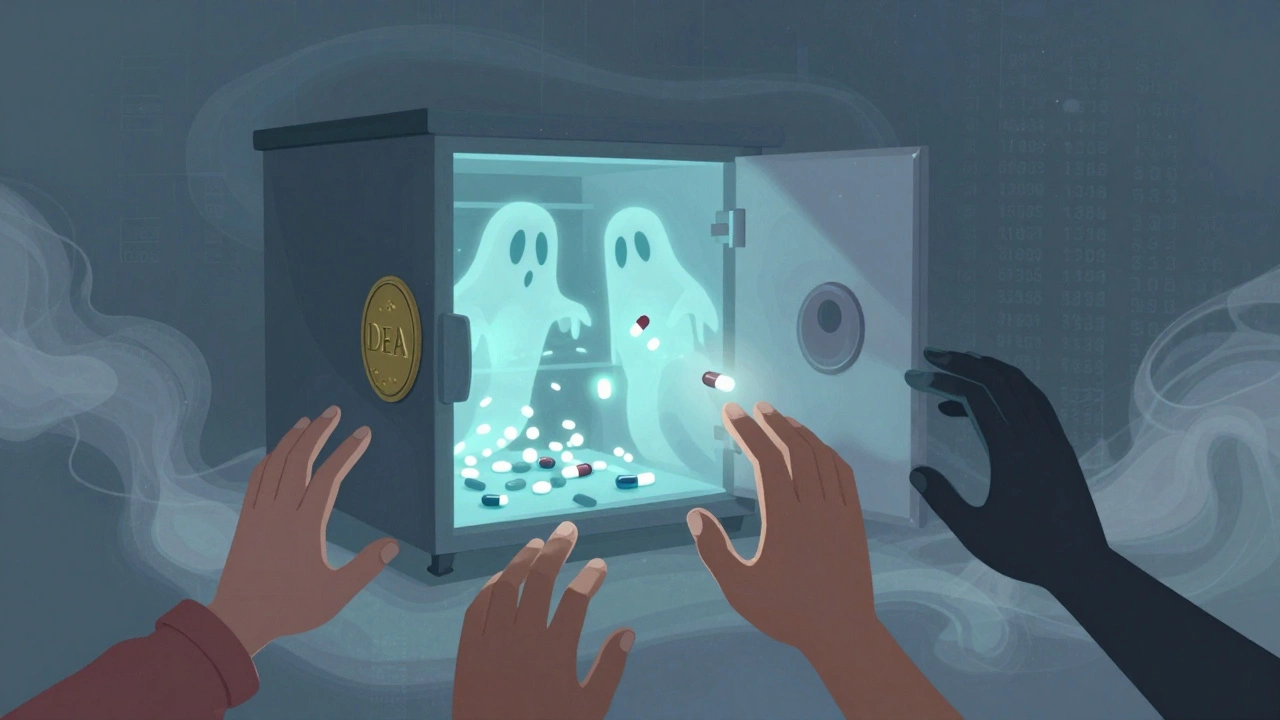
Learn the safest, most effective ways to dispose of unused opioids to prevent misuse, accidental overdose, and addiction. From take-back programs to deactivation pouches, here’s what works - and what doesn’t.
More