
Medication Storage: How to Keep Your Drugs Safe, Effective, and Ready to Use
When it comes to medication storage, the way you keep your pills, liquids, and patches directly affects how well they work and whether they’re safe to use. Also known as drug storage, it’s not just about keeping bottles out of sight—it’s about controlling temperature, moisture, light, and access to prevent harm, waste, or worse. A pill stored in a hot bathroom cabinet might lose potency before its expiration date. A liquid antibiotic left unrefrigerated could become useless—or even dangerous. And if kids or pets can reach your medicine cabinet, you’re not just being careless, you’re risking an emergency.
Expired medications, drugs past their labeled date, aren’t always harmless leftovers. Also known as out-of-date drugs, they can degrade into harmful compounds, especially insulin, nitroglycerin, or antibiotics. Meanwhile, medication disposal, the process of safely getting rid of unused or expired drugs, is often misunderstood. Flushing pills down the toilet or tossing them in the trash doesn’t just pollute the environment—it leaves them accessible to others who might misuse them. Take-back programs, deactivation pouches, and sealed container disposal are proven methods that actually work. And let’s not forget drug safety, the broader system of handling, storing, and using medications without causing harm. It includes keeping different drugs separated to avoid accidental mixing, labeling containers clearly, and checking for recalls that might affect what’s on your shelf.
Think about it: if you wouldn’t leave milk out on the counter for weeks, why treat your heart medication any differently? Heat, humidity, and sunlight are the silent killers of drug effectiveness. Your medicine drawer isn’t a storage closet—it’s a pharmacy. The best place for most pills? A cool, dry spot like a bedroom drawer, away from windows and steam. Insulin? Refrigerated. Liquid antibiotics? Often refrigerated, sometimes room temp—check the label. EpiPens? Avoid extreme heat. Even something as simple as keeping your meds in their original bottles helps you avoid confusion and ensures you don’t lose critical info like dosage or expiration dates.
And what about the people around you? If you’re caring for an elderly parent, a child, or someone with memory issues, medication storage isn’t just about the drugs—it’s about preventing mistakes. A mislabeled bottle, a shared cabinet with someone else’s pills, or a drawer full of old prescriptions can lead to dangerous mix-ups. That’s why many families now use locked pill boxes, digital reminders, or even smart dispensers. It’s not overkill—it’s basic safety.
Below, you’ll find real, practical guides on exactly how to handle the most common medication storage mistakes. From how to build a simple expiration review schedule to why some drugs need to be thrown out differently than others, these posts cut through the noise. You’ll learn how to spot when a drug has gone bad, how to store opioids safely to prevent misuse, and why even something like zinc or caffeine can behave differently if your storage conditions are off. This isn’t theory. These are the steps real people take to avoid hospital visits, overdoses, and wasted money. You don’t need to be a pharmacist to get this right—you just need to know what to look for.
How to Pack Medications for Long Road Trips and Cruises: A Practical Guide
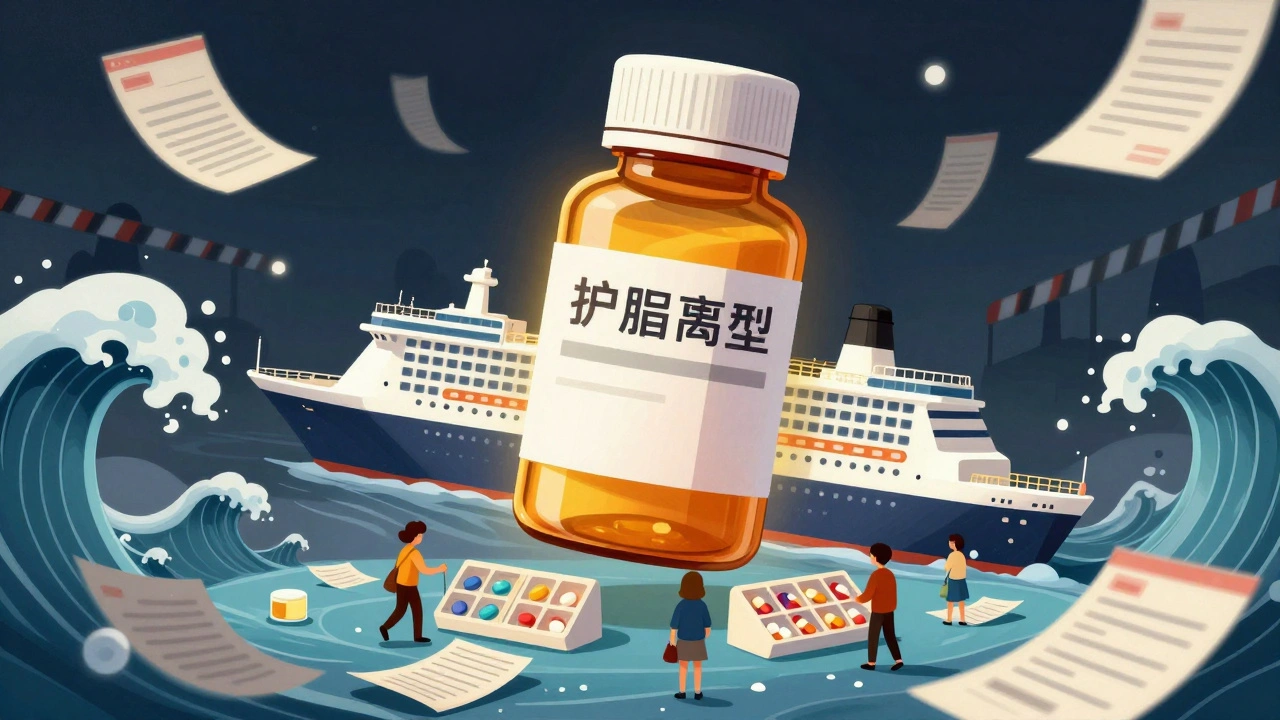
Learn how to pack medications safely for road trips and cruises with expert tips on legal requirements, storage, backups, and what to avoid. Avoid delays, confiscation, and medical emergencies while traveling.
More