
Hearing Loss Treatment: What Works, What Doesn’t, and How to Find the Right Help
When your hearing starts to fade, it’s not just about turning up the volume—it’s about hearing loss treatment, a range of medical and technological interventions designed to restore or improve auditory function. Also known as auditory rehabilitation, it’s not just for older adults. Noise exposure, genetics, infections, and even certain medications can cause hearing loss at any age, and ignoring it makes everything harder—from conversations to safety.
Not all hearing loss is the same. hearing aids, small devices that amplify sound work well for mild to moderate sensorineural loss, but they won’t fix everything. If your inner ear is severely damaged, cochlear implants, surgically placed devices that bypass damaged hair cells and directly stimulate the auditory nerve might be the only path back to clear sound. And if ringing in your ears—tinnitus, a persistent noise without an external source—comes with it, treatment gets more complex. There’s no magic cure, but strategies like sound therapy, cognitive behavioral therapy, and even certain supplements are being studied for real relief.
What most people don’t realize is that hearing loss often gets worse because it’s ignored. Delaying treatment increases the risk of social isolation, cognitive decline, and even depression. The good news? Modern hearing tech is smaller, smarter, and more connected than ever. Some devices now sync with smartphones, filter background noise in real time, and even track your physical activity. But choosing the right one isn’t about the brand—it’s about matching the device to your specific type of loss, lifestyle, and budget. And before you buy anything, get a full hearing test. Many pharmacies and big-box stores offer quick screenings, but they’re not enough. A licensed audiologist can tell you if you need hearing aids, implants, or something else entirely.
There’s also something you can do right now to protect what you have: hearing conservation, the practice of reducing exposure to damaging noise levels. Whether you’re at a concert, using power tools, or listening to music through earbuds, turning down the volume and using ear protection can stop further damage. It’s not just for factory workers or musicians—it’s for anyone who’s ever been in a loud room and had to shout to be heard.
Below, you’ll find real-world guides on medication risks that affect hearing, how to navigate hearing aid options without getting ripped off, and what to do when your doctor dismisses your symptoms. No fluff. No upsells. Just clear, practical info from people who’ve been there.
Otosclerosis: What It Is, How It Affects Hearing, and What You Can Do
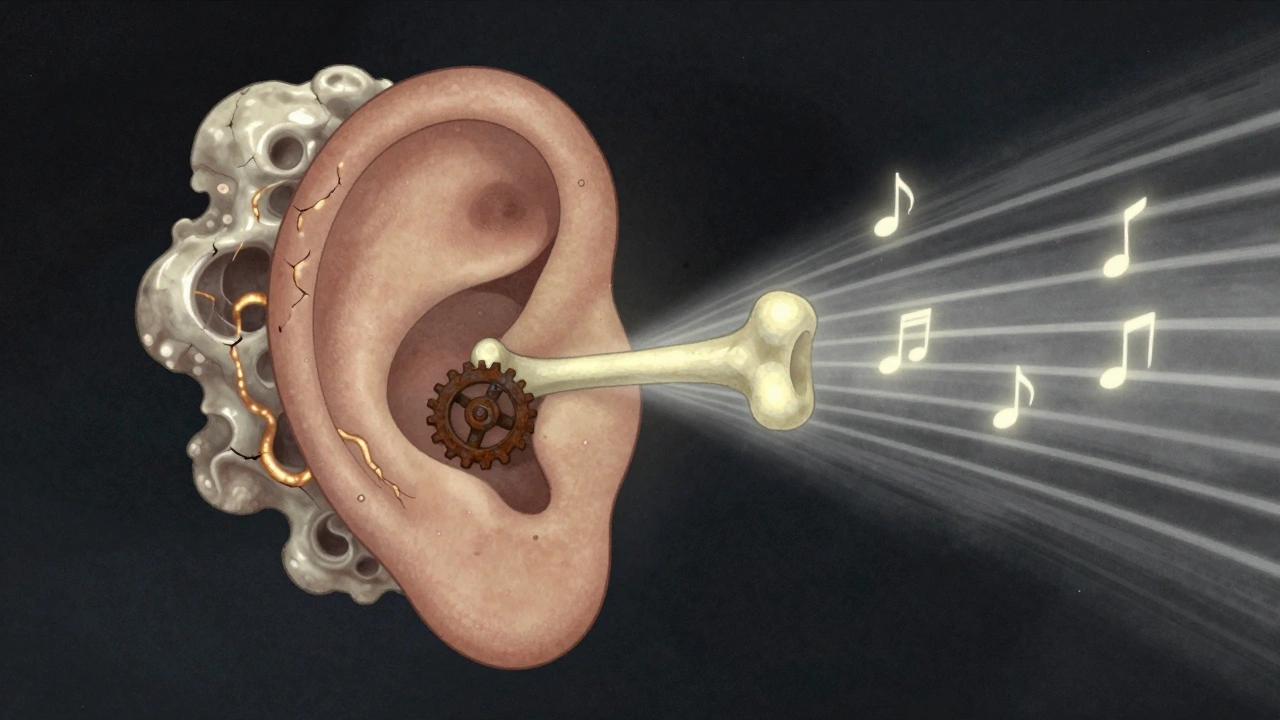
Otosclerosis is a common cause of hearing loss in adults under 50, caused by abnormal bone growth in the middle ear. Learn how it affects hearing, who’s at risk, and what treatments-including surgery and hearing aids-can restore your hearing.
More