
Drug Take-Back Programs: Safe Disposal and Why They Matter
When you have old or unused medications sitting in your medicine cabinet, you’re not just holding onto pills—you’re holding a potential hazard. Drug take-back programs, official collection events or drop-off sites where people return expired, unwanted, or unused medications. Also known as medication disposal programs, they’re one of the few reliable ways to keep prescription drugs out of the wrong hands and out of our water supply. Flushing pills down the toilet or tossing them in the trash doesn’t solve the problem—it just moves it. These programs exist because improper disposal leads to accidental poisonings, drug abuse, and environmental contamination. The EPA estimates that over 90% of Americans have unused meds at home, and most don’t know how to get rid of them safely.
Prescription safety, the practice of managing medications to prevent misuse, overdose, and environmental harm. Drug take-back programs are a core part of that. They’re not just about cleaning out your cabinet—they’re about protecting kids who might find grandma’s pain pills, teens who might experiment with leftover ADHD meds, or wildlife that gets exposed to flushed antibiotics. These programs are run by pharmacies, hospitals, police stations, and sometimes even mobile units during National Prescription Drug Take-Back Days. In 2023, the DEA collected over 6 million pounds of unwanted medications through these events alone. That’s not just a number—it’s millions of pills kept from poisoning someone or leaching into rivers.
Pharmaceutical waste, the leftover drugs that enter landfills, sewers, or the environment due to improper disposal. Studies show traces of antidepressants, hormones, and antibiotics in drinking water across the U.S. While the health impact on humans is still being studied, fish and aquatic life are already showing behavioral changes. Drug take-back programs stop this at the source. You don’t need to wait for a special event—many pharmacies now offer year-round drop-off bins. And yes, they take opioids, antidepressants, antibiotics, even cough syrups. No questions asked. No judgment. Just safe disposal.
What’s in your medicine cabinet right now? That bottle of gabapentin you stopped taking after your back pain improved? The leftover antibiotics from last year’s infection? The painkillers you never used after surgery? These aren’t harmless leftovers—they’re risks waiting to happen. Drug take-back programs make it easy to do the right thing. You don’t need to sort them, label them, or call anyone. Just bring them in. And when you do, you’re not just clearing space—you’re helping prevent overdoses, protecting the environment, and keeping your community safer.
The posts below cover everything from how to handle expired meds to why mixing drugs with other substances can be deadly. You’ll find real advice on medication safety, how to avoid dangerous interactions, and how to stay in control of your prescriptions—even when life gets messy. Whether you’re a parent, a caregiver, or just someone trying to do the right thing with your medicine, this collection has what you need.
How to Safely Dispose of Unused Opioids to Prevent Misuse and Overdose
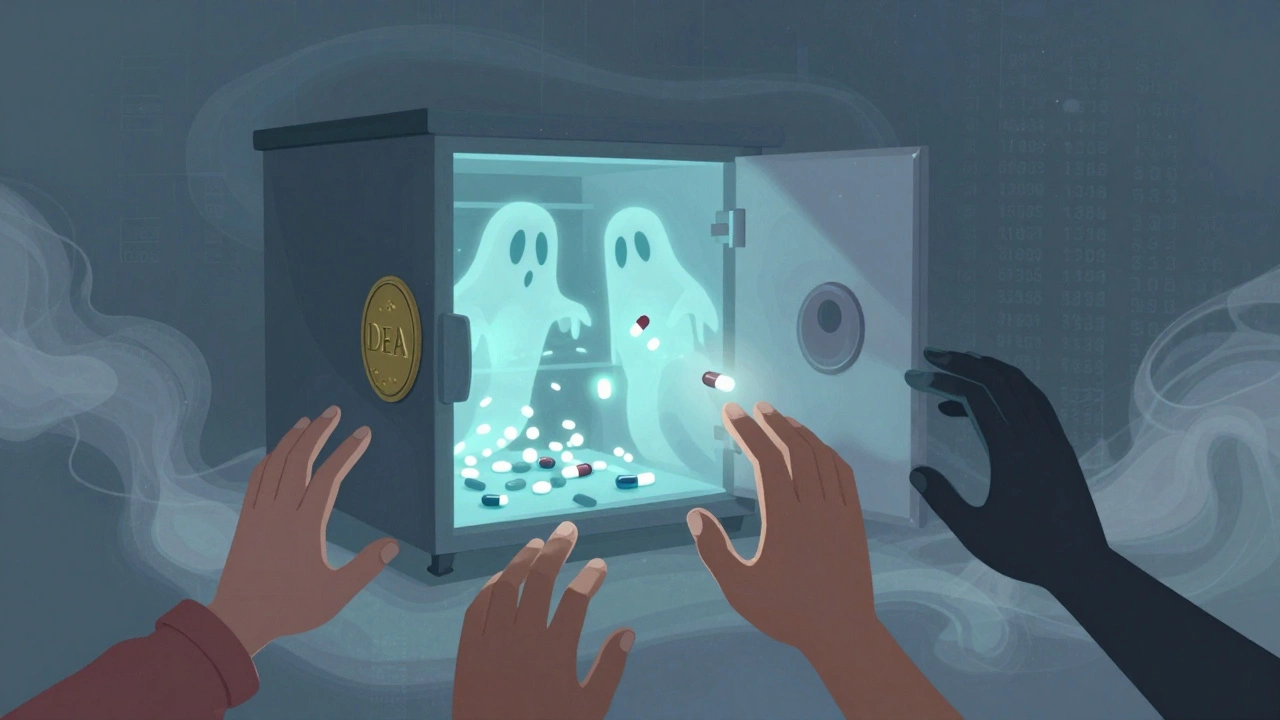
Learn the safest, most effective ways to dispose of unused opioids to prevent misuse, accidental overdose, and addiction. From take-back programs to deactivation pouches, here’s what works - and what doesn’t.
More