
Antibiotic Absorption: How Your Body Takes In Antibiotics and Why It Matters
When you take an antibiotic, a medicine designed to kill or stop the growth of bacteria. Also known as antibacterial agent, it only works if your body can actually absorb it into your bloodstream. If absorption is poor, the drug never reaches the infection in enough strength to do its job. That’s not just inefficient—it can lead to treatment failure, longer illness, or even antibiotic resistance.
Antibiotic absorption happens mostly in your gastrointestinal tract, the system that processes food and drugs from mouth to colon. But not all antibiotics absorb the same way. Some, like amoxicillin, are fine with food. Others, like tetracycline or ciprofloxacin, bind to calcium in dairy, iron in supplements, or even antacids—and get blocked before they can enter your blood. That’s why your doctor tells you to take them on an empty stomach. It’s not arbitrary. It’s chemistry.
Even your gut health affects absorption. If you have diarrhea, Crohn’s disease, or have had gastric surgery, your body might not pull in the drug properly. Some antibiotics are designed to work locally in the gut (like rifaximin for traveler’s diarrhea), while others need to circulate systemically. Mixing them up can mean zero results. And don’t forget timing: taking an antibiotic at the same time as a proton pump inhibitor or a high-fiber meal can delay or reduce absorption by up to 50% in some cases.
It’s not just about the pill. Your age, liver function, and even how fast your stomach empties play a role. Older adults often absorb drugs slower. People with slow gastric motility might need different dosing schedules. And if you’re on multiple meds—say, a blood thinner or a seizure drug—some of those can interfere with how your body handles the antibiotic. It’s not just about side effects. It’s about whether the antibiotic ever gets to the fight.
What you’ll find below isn’t a list of every antibiotic ever made. It’s a collection of real, practical posts that cut through the noise. You’ll learn how food, supplements, and other drugs sabotage absorption. You’ll see why some antibiotics fail even when taken "correctly." You’ll find out how to tell if your body isn’t absorbing the drug—and what to do about it. No guesswork. No marketing fluff. Just what actually affects how your antibiotics work, based on real cases and clinical data.
Zinc Supplements and Antibiotics: How to Time Doses for Maximum Absorption
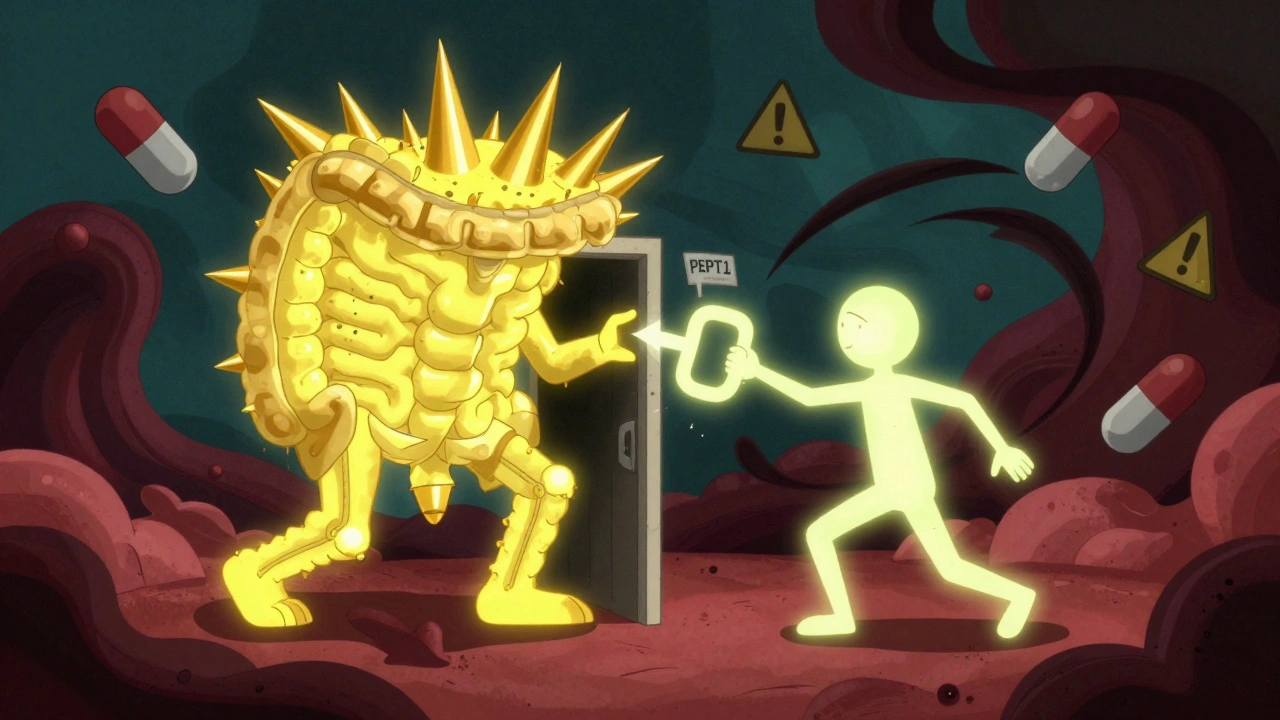
Taking zinc supplements with certain antibiotics can reduce their effectiveness. Learn how to time doses correctly-2 to 6 hours apart-to ensure your treatment works and avoid treatment failure.
More