
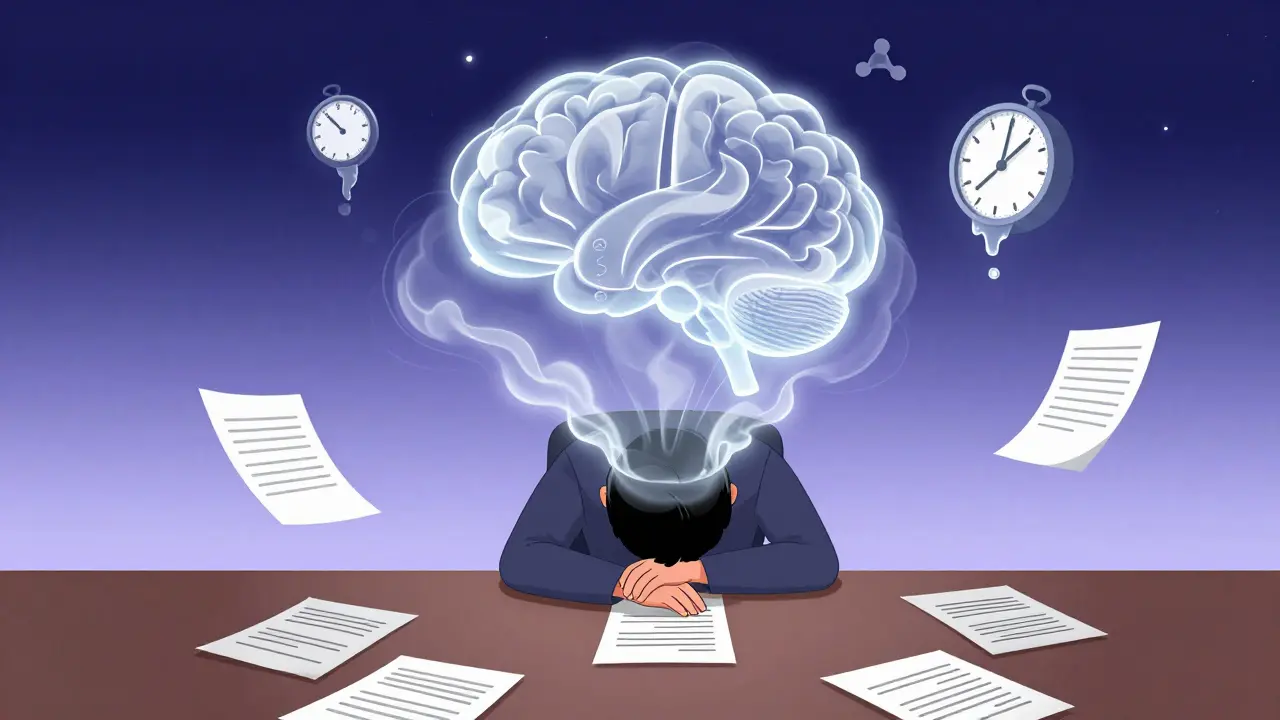
For someone with narcolepsy, falling asleep during a meeting, while driving, or even mid-conversation isn’t laziness-it’s a neurological event. This isn’t just feeling tired. It’s an overwhelming, uncontrollable urge to sleep that strikes without warning, no matter how much rest you got the night before. Around 1 in 2,000 people live with this reality, and for many, the first sign isn’t cataplexy or hallucinations-it’s constant, crushing daytime sleepiness that no amount of coffee can fix.
What Exactly Is Narcolepsy?
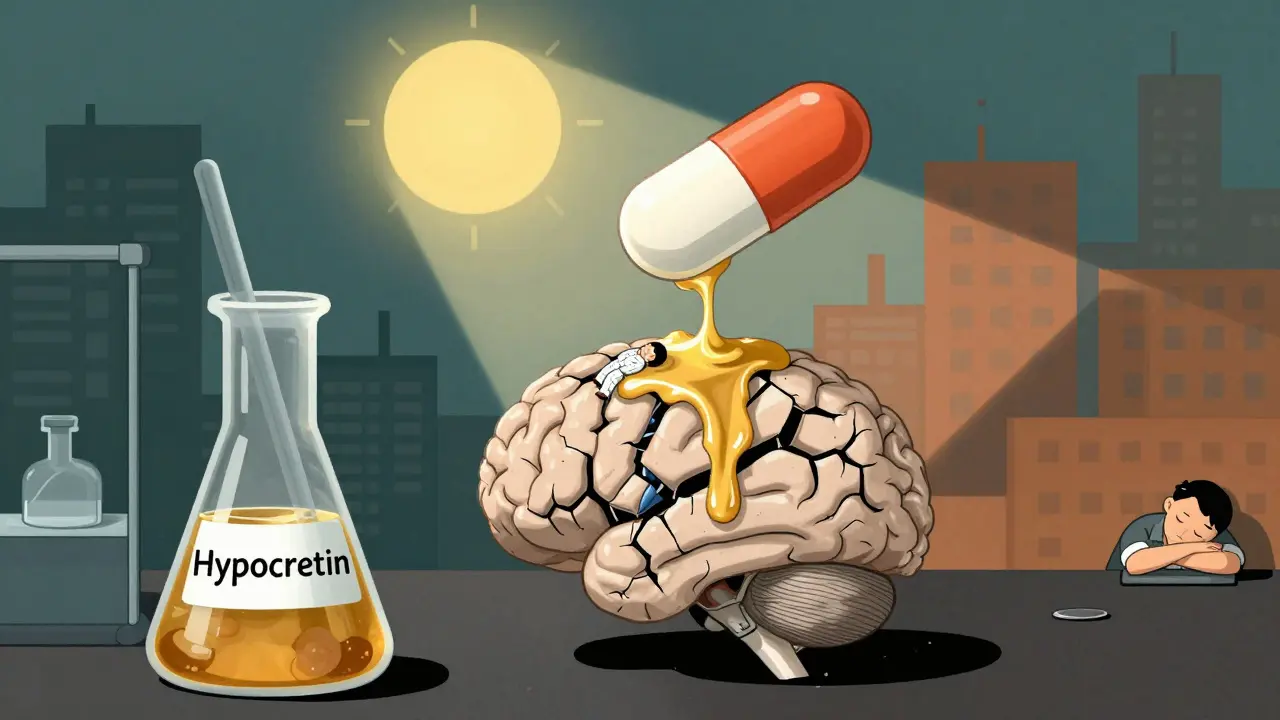
Narcolepsy is a chronic brain disorder that messes up the normal switch between wakefulness and sleep. It’s not about poor sleep habits or stress. It’s about a breakdown in the brain’s ability to regulate sleep cycles, mostly due to low levels of hypocretin-a chemical that helps keep you awake and alert. Without enough hypocretin, your brain can’t maintain stable wakefulness, even after a full night’s sleep.
There are two main types. Type 1 narcolepsy includes cataplexy-sudden muscle weakness triggered by strong emotions like laughter or surprise. Think of it as your body briefly shutting down, like your knees giving out while you’re laughing. Type 2 lacks cataplexy but still brings the same intense sleepiness, disrupted nighttime sleep, sleep paralysis, and vivid hallucinations when falling asleep or waking up.
Diagnosis isn’t simple. It usually starts with an overnight sleep study to rule out other issues like sleep apnea. Then comes the Multiple Sleep Latency Test (MSLT), where you’re given five chances to nap during the day. If you fall asleep quickly and enter REM sleep within minutes in two or more naps, that’s a strong sign of narcolepsy. In some cases, a spinal tap checks hypocretin levels in cerebrospinal fluid. Most people are diagnosed between ages 10 and 30, but nearly a quarter aren’t diagnosed until after 40.
Why Stimulants Are the First-Line Treatment
Since narcolepsy isn’t caused by lack of sleep, sleeping more won’t fix it. The goal of treatment isn’t to cure-it’s to manage the most disabling symptom: excessive daytime sleepiness (EDS). That’s where stimulants come in. They don’t replace hypocretin, but they help boost the brain’s wakefulness signals.
Modafinil (Provigil) and armodafinil (Nuvigil) are the most commonly prescribed. They work by increasing dopamine in the brain, which helps maintain alertness. Unlike amphetamines, they don’t cause the same jittery highs or crashes. In clinical trials, about 70% of people taking modafinil saw their Epworth Sleepiness Scale (ESS) scores drop by 5 points or more-meaning they went from feeling constantly sleepy to being able to function through the day.
Armodafinil is the longer-lasting version of modafinil. Because it stays active in the body for up to 15 hours, many people take just one dose in the morning and stay alert through the afternoon without needing a second pill. That’s a big advantage for students, teachers, or anyone with a long workday.
Traditional Stimulants: More Power, More Risk
For those who don’t respond well to modafinil, doctors may turn to traditional stimulants like methylphenidate (Ritalin) or mixed amphetamine salts (Adderall). These work faster and stronger-up to 80% of users report better wakefulness. But they come with trade-offs.
Side effects are common: increased heart rate, higher blood pressure, appetite loss, anxiety, and trouble sleeping at night. In one study, nearly half of people stopped using these drugs within a year because of side effects. They’re also controlled substances, meaning prescriptions are harder to refill, and there’s a risk of misuse. For people with heart conditions, they’re often avoided entirely.
Still, for someone with severe EDS-say, an ESS score above 16-these drugs can be life-changing. A 34-year-old teacher in Sydney, for example, went from an ESS of 18 to 6 on armodafinil and was able to return to full-time teaching after years of part-time work. That kind of improvement isn’t rare, but it’s not guaranteed for everyone.
What About Newer Options?
In recent years, two newer drugs have joined the options: pitolisant (Wakix) and solriamfetol (Sunosi).
Pitolisant works differently-it boosts histamine, a natural wakefulness chemical. It’s as effective as modafinil for EDS but doesn’t raise blood pressure as much. The downside? It costs about $850 a month, compared to $400 for generic modafinil. Insurance often blocks it unless you’ve tried other options first.
Solriamfetol blocks dopamine and norepinephrine reuptake, similar to Adderall but without the abuse potential. It can reduce ESS scores by up to 9.8 points at higher doses. But it comes with a warning: it can raise blood pressure in about 7% of users. Regular monitoring is required.
Neither is a magic bullet. They’re usually tried after modafinil fails or isn’t tolerated. But for some, they’re the missing piece.
Sodium Oxybate: For Cataplexy and Tough Cases
While not a stimulant, sodium oxybate (Xyrem) is often used alongside stimulants, especially for Type 1 narcolepsy. It’s taken at night in two doses and dramatically reduces cataplexy-up to 85% of patients see fewer or no episodes. It also improves nighttime sleep and next-day alertness.
But it’s complicated. It’s tightly controlled due to abuse risks and requires enrollment in a special program (REMS). You can only get it from one pharmacy, and the high sodium content can be a problem for people with heart or kidney issues. A newer version, JZP-258 (lower-sodium oxybate), is expected to be approved by the end of 2024, which could make it more accessible.
Real-Life Challenges: Access, Cost, and Tolerance
Getting treatment isn’t just about picking the right drug. Many patients face delays-insurance approvals take an average of 14 days. Some doctors don’t know the latest guidelines and stick with outdated doses. One study found that 42% of patients stay on too low a dose for over six months, missing out on better results.
Another issue: tolerance. People on modafinil for more than 18 months often report it stops working as well. That’s not addiction-it’s the brain adapting. Dose increases or switching medications can help, but it’s frustrating when something that once worked no longer does.
Side effects like headaches, nausea, and rebound fatigue in the evening are common. Reddit and patient forums are full of stories about “productivity highs” followed by “crash lows.” Many users say they’ve learned to time their doses carefully, avoiding late-day pills to prevent insomnia.
What Doesn’t Work (And What You Should Avoid)
Over-the-counter energy drinks? They might give a quick boost, but they’re not a solution. Caffeine can help in small doses, but too much leads to jitteriness, anxiety, and worse sleep at night.
Just “trying to push through” the sleepiness? That’s dangerous. Narcolepsy increases the risk of accidents-car crashes, falls, workplace injuries. The best treatment isn’t willpower. It’s medicine, scheduled naps, and lifestyle adjustments.
And while some people turn to cannabis or CBD, there’s no solid evidence it helps EDS. In fact, it might worsen sleep fragmentation. Stick to what’s been tested and approved.
Living With Narcolepsy: Beyond Medication
Medication is only part of the story. The best outcomes come from combining drugs with behavioral strategies:
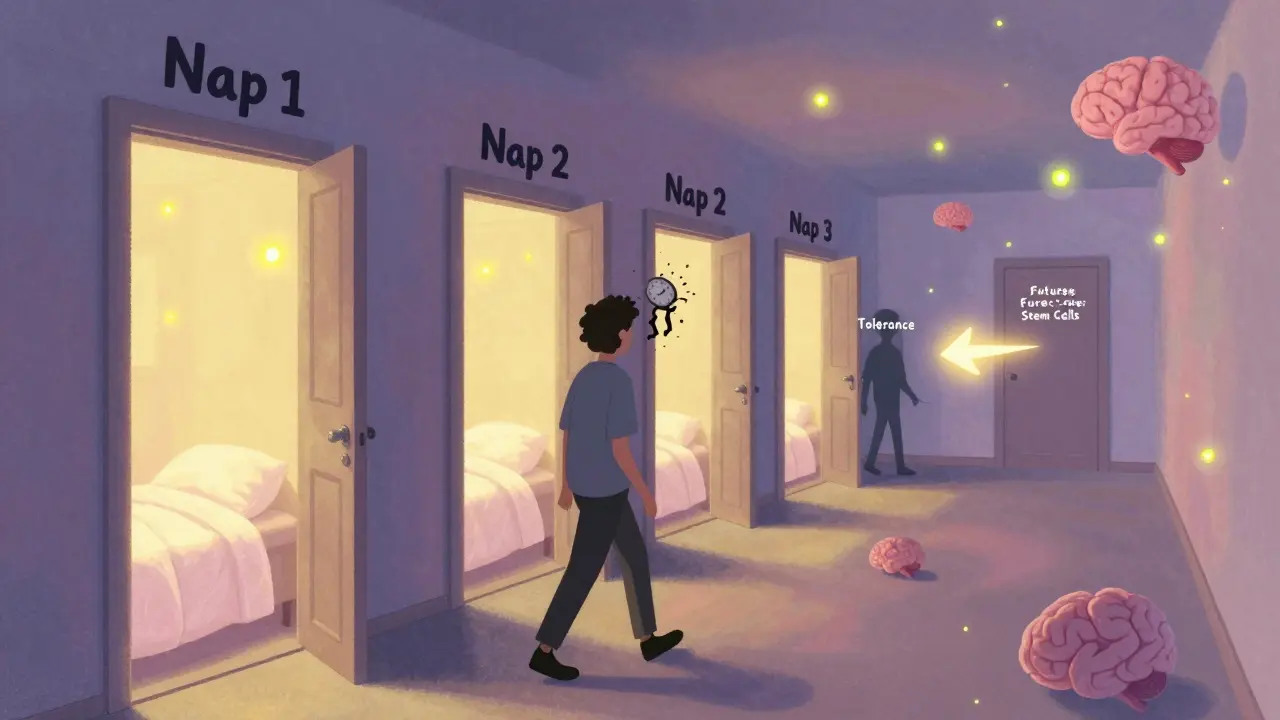
- Schedule 2-3 short naps (15-20 minutes) during the day-this can cut sleepiness by up to 40%.
- Maintain a strict sleep schedule, even on weekends. Irregular sleep makes symptoms worse.
- Avoid heavy meals, alcohol, and long car rides without breaks.
- Workplace accommodations under the ADA (like flexible hours or a quiet place to nap) can make a huge difference.
Support groups matter too. Talking to others who get it reduces isolation. The Narcolepsy Network and MyNarcolepsyTeam offer resources, patient stories, and advocacy tools.
What’s Next? The Future of Narcolepsy Treatment
Right now, all treatments manage symptoms. None fix the root cause-the loss of hypocretin-producing brain cells. But research is moving fast.
One promising drug, TAK-994, targeted the orexin receptor and showed major improvements in sleepiness. But development was paused in late 2023 due to liver concerns. Scientists are still working on safer versions.
Long-term, the goal is disease-modifying therapies-like stopping the autoimmune attack that destroys hypocretin cells, or even replacing them. Clinical trials for immunotherapies and stem cell treatments are in early stages, but they represent the first real hope for a cure.
For now, the focus remains on better access, smarter prescribing, and personalized treatment. The right combination of medication, timing, and lifestyle can let someone with narcolepsy live a full, productive life. It’s not easy, but it’s possible.
Can narcolepsy be cured?
No, narcolepsy cannot be cured today. All current treatments manage symptoms like daytime sleepiness and cataplexy, but none restore the lost hypocretin-producing brain cells. Research is ongoing into disease-modifying therapies, including immunotherapy and cell replacement, but these are still experimental.
Is modafinil addictive?
Modafinil is not considered addictive in the same way as amphetamines. It doesn’t cause euphoria or cravings, and withdrawal symptoms are rare. However, some people develop tolerance over time, meaning higher doses may be needed for the same effect. This is not addiction-it’s the brain adapting.
Why do stimulants stop working after a while?
Stimulants don’t stop working because of tolerance in the addiction sense. Instead, the brain adjusts to the increased dopamine levels over time, reducing their impact. This is called neuroadaptation. Many patients respond by increasing their dose slightly, switching to a different medication, or adding a nap schedule to boost effectiveness.
Can I drive with narcolepsy?
Yes, many people with narcolepsy drive safely, but only if their symptoms are well-controlled with medication and naps. Uncontrolled sleepiness increases crash risk. Some states require doctors to report diagnoses, so transparency with your healthcare provider is key. Always avoid driving after a poor night’s sleep or skipping your medication.
How long does it take for stimulants to work?
Modafinil and armodafinil usually start working within 1 to 2 hours and last 8 to 15 hours, depending on the drug. Traditional stimulants like Adderall kick in faster-within 30 minutes-but wear off more quickly. Most people notice improved alertness within the first week, but full effects can take 2 to 4 weeks as the dose is fine-tuned.
For anyone newly diagnosed, the path forward can feel overwhelming. But with the right team-sleep specialist, pharmacist, therapist-and the right combination of medication and habits, daily life doesn’t have to be ruled by sleep attacks. The goal isn’t perfection. It’s control. And for thousands, that’s already within reach.
Janette Martens
i read this and thought wow this is so real. i get sleepy in meetings too but everyone thinks im lazy. they dont know its my brain just giving up. coffee does nothing. nothing.
Marie-Pierre Gonzalez
Thank you for this comprehensive and deeply empathetic overview. As a healthcare professional in Canada, I've seen firsthand how misunderstood narcolepsy remains. The stigma is real, and this piece helps dismantle it with science and grace. 🙏
Louis Paré
So let me get this straight. You're telling me people with narcolepsy are just too weak to stay awake? And now we're giving them drugs to compensate for their lack of willpower? This is just pharmaceutical capitalism at work. Wake up, people.
Samantha Hobbs
omg i have this and no one gets it. i fell asleep in the middle of my cousin's wedding and my aunt said i was just being dramatic. like bro i was literally upright and then i was on the floor. no joke.
sonam gupta
in india we dont even have proper doctors for this. my sister was told shes just lazy for 5 years before someone finally tested her. no one cares here
Julius Hader
I've always believed that if you just tried harder, you could beat anything. But after reading this, I realize I was wrong. This isn't laziness. It's a neurological battle. I'm sorry for ever judging anyone who needed to nap.
Payton Daily
So basically narcolepsy is like being a zombie but with a prescription? I mean, modafinil is basically the real-life version of that pill from Limitless. But wait-does that mean people with narcolepsy are just one drug away from being geniuses? I'm starting to think this is the ultimate superpower.
Kelsey Youmans
This is one of the most meticulously researched and compassionately written pieces on narcolepsy I have encountered. The integration of clinical data with lived experience is both rare and profoundly moving. Thank you for elevating this conversation.
Sydney Lee
The fact that we're still treating symptoms instead of addressing the root autoimmune destruction of hypocretin neurons is a moral failure of modern medicine. We've mapped the human genome but can't fix a disease that affects 1 in 2,000? This isn't healthcare-it's triage capitalism.
oluwarotimi w alaka
they say narcolepsy is neurological but i think its a secret government experiment. why do you think the meds are so expensive and only available through special programs? they dont want you to be awake too much. its all about control
Debra Cagwin
If you're newly diagnosed, please know you're not broken. You're not failing. You're just navigating a different kind of wiring. The naps, the meds, the schedule-they're not weaknesses. They're tools. And you deserve to use them without shame.
Ryan Touhill
I find it fascinating how society pathologizes biological reality while glorifying stimulant use in corporate environments. We praise CEOs for taking modafinil to 'optimize productivity' but label someone with narcolepsy as 'needing help.' The hypocrisy is staggering.
Teresa Marzo Lostalé
i used to think narcolepsy meant falling asleep in class. then i saw my friend pass out standing up during a concert. she didn't even know she'd fallen until someone caught her. that's when i realized... this isn't about sleep. it's about control. and we don't have it.
ANA MARIE VALENZUELA
Modafinil is just a Band-Aid. You're all ignoring the real issue: the pharmaceutical industry is profiting off your exhaustion. They don't want you cured-they want you dependent. Wake up. This is a scam.
Bradly Draper
My brother has it. He takes armodafinil and now he can actually work full time. I used to think he was just tired all the time. I didn't get it until I saw how much better he is now. It's not magic. It's medicine. And it matters.