
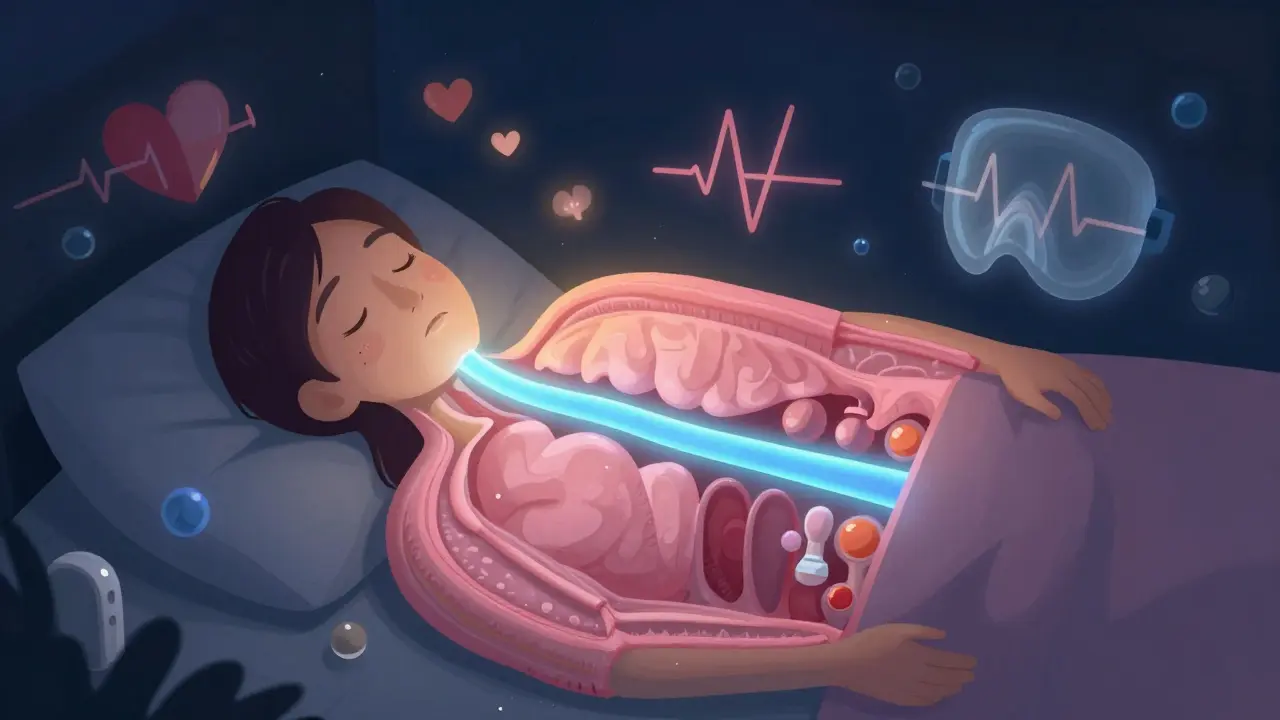
You wake up gasping for air, your heart racing. This terrifying scenario is a hallmark of sleep apnea, a condition where your breathing stops and starts repeatedly throughout the night. For many people, this isn't just about snoring; it is a serious health risk that ties directly to chronic respiratory issues and potential respiratory failure if left untreated. While it sounds simple, managing this requires understanding the delicate balance between maintaining an open airway and getting enough oxygen to the blood.
The most common treatment involves machines that push air into your throat to keep it open, but patients often confuse this with standard oxygen tanks. You might ask yourself: does putting oxygen under my nose fix the blockage? The answer is complicated. In cases of obstructive sleep apnea, simply adding oxygen doesn’t stop the physical collapse of the tissues. Understanding this distinction changes how you approach therapy.
Understanding Obstructive Sleep Apnea
Before discussing the treatment, we need to identify what we are treating. When the muscles in the back of your throat relax, they can block your airway even when you are asleep. A Obstructive Sleep Apnea is a chronic respiratory disorder characterized by repeated episodes of upper airway collapse during sleep, leading to intermittent hypoxia and sleep fragmentation. This means your body wakes you up briefly to breathe, often without you remembering it.
This cycle fragments sleep quality significantly. Over time, the lack of restorative rest impacts your cognitive function, mood, and long-term heart health. Medical literature first systematically described this condition in the 1970s, yet many cases remain undiagnosed today. Polysomnography, which is the overnight sleep study, remains the gold standard for diagnosis. Without this test, doctors cannot distinguish between different types of breathing disruptions or rule out central sleep apnea, where the brain fails to signal the body to breathe.
How CPAP Therapy Works
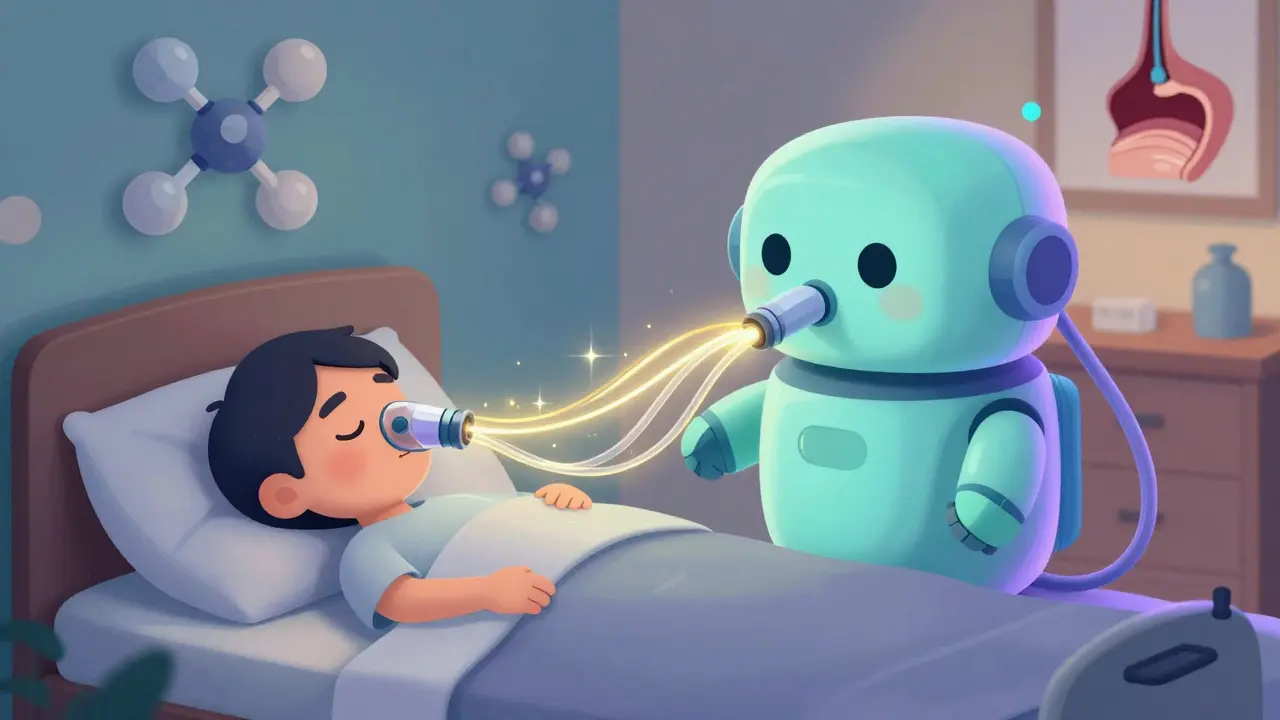
The backbone of modern sleep medicine is a device introduced in 1981 that changed outcomes for millions. A Continuous Positive Airway Pressure (CPAP) is a non-invasive treatment for OSA that uses pressurized air to maintain upper airway patency through pneumatic splinting. Think of it like a pneumatic splint for your throat. The machine blows air at a specific pressure, typically ranging from 4 to 20 centimeters of water pressure. This pressure holds the soft palate and tongue forward so they cannot collapse into the windpipe.
CPAP therapy is currently the first-line treatment recommended by major guidelines for moderate-to-severe cases. Studies indicate that for compliant users, it eliminates respiratory events in about 90% of instances. The technology has evolved from clunky early models to sleek units with heated humidifiers that prevent dry mouth and congestion. Masks vary widely, from full-face options covering the nose and mouth to small pillows that sit right at the nostrils. Recent data suggests around 73% of patients prefer nasal masks for comfort during sleep.
Oxygen Therapy Versus CPAP
A common misconception involves the role of supplemental oxygen. Many patients assume adding extra oxygen solves the problem. However, oxygen therapy addresses low oxygen levels in the blood (hypoxemia) but does not resolve the upper airway obstruction in OSA patients. If your airway is physically collapsing, blowing more oxygen into a blocked tunnel does nothing.
There are specific scenarios where both are used together. If you have severe lung disease alongside sleep apnea, your doctor might add oxygen via a blender into the CPAP circuit. This setup ensures your lungs get enough oxygen despite the pressure. However, for typical obstructive apnea, this adds complexity without fixing the root cause. Acute respiratory failure management sometimes requires non-invasive ventilation trials where pH normalization and carbon dioxide improvement are monitored closely. In those acute hospital settings, the goal is stabilizing gas exchange, whereas home sleep apnea therapy focuses on preventing apnea events nightly.
Different Types of PAP Machines
Not everyone responds well to fixed pressure machines. Technology has branched into several variations depending on your physiology. Below is a breakdown of the primary systems available for residential use:
| Type | Function | Best For | Key Benefit |
|---|---|---|---|
| Standard CPAP | Constant pressure delivery | Mild to moderate OSA | Simplicity and reliability |
| Auto CPAP (APAP) | Adjusts pressure dynamically | Varying nightly pressures | Comfort during position changes |
| Bilevel PAP (BiPAP) | High pressure for inhale, low for exhale | Complex OSA or COPD | Easier exhalation resistance |
| Adaptive Servo-Ventilation | Tracks breathing patterns to assist | Central Sleep Apnea | Treats neurological breathing gaps |
Choosing between these depends on diagnostic results. Auto-titrating devices adjust pressure based on airflow limitation, which mimics the way a technician would adjust settings in a lab. For patients requiring higher pressures, above 15 cm H2O, bilevel support helps reduce the effort needed to breathe out against the machine. Advanced systems now feature remote monitoring capabilities, allowing providers to see usage data in real-time without you visiting a clinic every month.
Navigating Adherence Challenges
Having the machine is only half the battle. Adherence remains the primary challenge. Guidelines define optimal adherence as using the device for at least four hours per night on more than 70% of nights. Yet, real-world studies show adherence rates fluctuating wildly between 17% and 85%. Why is this gap so large?
User experience plays a massive role. Surveys from patient communities reveal that mask discomfort is the top reason for discontinuation, cited by nearly half of those who stop. Others struggle with claustrophobia or travel logistics. If you leak air through your mouth, a chin strap often resolves the issue, helping seal the cushion. Modern telemedicine support has shown promise, with one survey finding that users receiving in-person setup support achieved 32% higher adherence over six months compared to those doing it alone online.
Don’t ignore the mental aspect of therapy. Some patients feel anxious about the noise or the sensation of forced breathing. Gradual pressure ramp features help acclimate you slowly at the start of the night. Cleaning equipment regularly also prevents skin irritation. Companies like ResMed have noted that patients following structured follow-up protocols reach high adherence benchmarks much faster than those abandoned after unboxing.

Futuristic Alternatives and Long-Term Outlook
If you cannot tolerate a mask, alternatives exist. One emerging solution is the hypoglossal nerve stimulator, an implantable device approved recently. It stimulates the tongue muscle to move forward during sleep, keeping the airway open mechanically. Trials show roughly 79% adherence at one year, higher than typical CPAP averages. However, it is surgical and invasive.
Another option involves mandibular advancement devices, essentially dental appliances. While they have lower efficacy than machines for severe cases, they are portable and easier to wear. Experts warn that for patients with established cardiovascular disease, CPAP can still improve heart function metrics, such as left ventricular ejection fraction, by 4-6%. This highlights why sticking with therapy matters beyond just stopping snoring.
The market itself reflects this demand, growing rapidly with billions invested in device manufacturing globally. Regulatory bodies like the FDA continue to update safety standards, ensuring materials used inside the chambers do not degrade over time. As technology matures, expect even smaller, quieter devices that integrate seamlessly into daily life, reducing the barrier to entry for new patients.
Troubleshooting Your Device
Issues arise when you least expect them, especially while traveling. Travel adapters often fail, so carrying a universal power plug or battery backup is smart advice. Altitude changes can affect pressure readings, making auto-adjusting devices a necessity for frequent flyers. Always check the air filters monthly to prevent dust clogging the motor. Finally, track your own progress. Some users report feeling better within weeks, while others need months to notice a change in daytime alertness. Patience is part of the protocol.
Does CPAP cure sleep apnea?
CPAP manages the condition effectively while in use, but it does not cure the underlying anatomical predisposition. Stopping treatment allows symptoms to return immediately.
Can I drink alcohol while using a CPAP machine?
Alcohol relaxes throat muscles, which increases the severity of apnea events. It is generally advised to limit alcohol intake to ensure the airway stays open.
Is oxygen always required for sleep apnea?
No, standard CPAP treats airway obstruction. Oxygen is only added if blood tests show consistently low saturation levels after the mask is sealing properly.
How do I know if I am leaking air?
Signs include water vapor appearing in your eyes, dry eyes upon waking, or hearing hissing sounds. Most modern machines display a leak indicator graph.
What happens if I stop using the machine?
Blood pressure may rise, and sleep quality declines rapidly. Long-term cessation increases risks associated with stroke and heart disease due to untreated intermittent hypoxia.
Marwood Construction
The distinction between pneumatic splinting and supplemental gas delivery is clinically significant for anyone managing chronic respiratory failure risks. It is imperative to recognize that airway patency remains the primary therapeutic goal rather than simple oxygenation metrics alone. Many patients fail to adhere to prescribed protocols due to a fundamental misunderstanding of the mechanical obstruction involved in nightly episodes. We must prioritize adherence strategies that address the physical collapse of soft tissues during REM cycles. Polysomnography results provide the necessary data to configure appropriate pressure thresholds effectively. Without accurate diagnostic baselines, treatment optimization becomes merely speculative guesswork for practitioners. This approach ensures long-term cardiovascular health outcomes remain within acceptable risk parameters.
Adryan Brown
I started using a machine back in the early two thousands when the technology was quite different from what we see today. The masks were bulky and often caused severe irritation around the nose bridge area. Humidifiers were rare back then and dry mouth woke me up constantly during the night hours. Traveling with the equipment required carrying multiple power adapters and battery packs just to function safely. People used to tell you that breathing through the mouth would help even though leaks ruin the therapy efficiency immediately. I remember watching my usage statistics drop significantly whenever I felt claustrophobic during the initial setup phase. Cleaning the water chambers became a ritual I hated doing every single morning before work. Modern units definitely track sleep quality metrics much better than the old analog displays allowed us. Some people think they can buy a cheaper generic version online but the filters degrade quickly without proper monitoring. I strongly believe that following the manufacturer guidelines extends the lifespan of the motor component considerably. Skin breakdown happens easily if you forget to replace the cushion foam regularly throughout the year. Pressure ramp features help those who struggle with anxiety upon waking up to the sensation of forced air flow. I have seen friends abandon therapy entirely because they could not tolerate the noise levels during quiet hours at home. Adherence rates really depend on how well the initial mask fitting was performed by professional staff members. Nobody enjoys wearing something on their face while trying to rest deeply in bed naturally. Patience with the training process pays dividends in maintaining consistent oxygen saturation levels over months.
dPhanen DhrubRaaj
just get the right pressure setting and stop worrying about extra oxygen tanks because that is waste
Cameron Redic
Clearly most folks here confuse basic respiration mechanics with complex respiratory support requirements completely. You cannot simply add gas to a blocked pipe and expect magic healing to occur instantly. The anatomical reality dictates that tissue collapse requires positive pressure intervention exclusively. Ignoring this leads to unnecessary medical interventions and wasted insurance dollars every single month. Doctors know this yet patients always demand shortcuts that compromise safety margins unnecessarily.
Michael Kinkoph
Oh please!! You obviously have not read the latest clinical trials regarding combined therapies!!! There are indeed cases where hypoxemia persists despite optimal pressure titration!!! People insist on ignoring physiological nuance so arrogantly!!!
Jonathan Sanders
Sure everyone loves their little air pumps now that they come in sleek colors to match your bedroom decor. Nothing says romance like a tube running across the pillow while you snore into oblivion hopefully. The idea that surgery might fix things is just wishful thinking for those too lazy to strap on a mask nightly. Enjoy the electricity bill spikes next summer while complaining about climate change ironically.
emma ruth rodriguez
It is essential to maintain rigorous hygiene standards for all reusable components including tubing and water chambers. Neglecting sanitation protocols introduces bacterial growth risks that can cause secondary sinus infections easily. Daily washing of the mask cushion prevents skin contact dermatitis which is common among new users initially. Ensure that distilled water is utilized exclusively to prevent mineral buildup within the humidification chamber mechanisms. Monthly filter replacements are non-negotiable for maintaining motor longevity and airflow consistency strictly. Regular follow-ups with sleep specialists guarantee that pressure settings remain optimized as weight fluctuations occur gradually.
sanatan kaushik
if you cant clean it properly you are just poisoning yourself why bother pretending its working. stop making excuses and do what the doc said or die sooner. simple math really.
Jonathan Alexander
It really changes your life once you finally accept the mask fully.
Charles Rogers
Acceptance is merely the gateway to actual behavioral modification required for survival unfortunately. Most individuals lack the discipline to sustain such routines indefinitely without constant external supervision or accountability measures in place. Relying on occasional motivation rather than structured habit formation guarantees eventual relapse into dangerous untreated states predictably.
Kendell Callaway Mooney
Try finding a mask that fits your face shape well to avoid leaks causing dry eyes later on. Ask your provider about different sizes before buying online blindly. Keeping the hose straight helps reduce the tension on the headgear straps. Small adjustments make a big difference in comfort levels eventually.
Biraju Shah
That advice holds true for almost everyone starting their journey with this medical equipment. Consistent communication with the support team ensures issues get resolved faster than struggling alone silently. Everyone deserves access to comfortable settings regardless of their previous experiences with similar devices historically.