
Isoniazid Hepatotoxicity Risk Estimator
Your Profile
Risk Assessment
Taking medication for tuberculosis is a life-saving necessity, but it comes with a serious catch: your liver. Isoniazid is a first-line antitubercular prodrug that stops Mycobacterium tuberculosis from building its cell wall by inhibiting mycolic acid synthesis. While it is the gold standard for treating both active TB and latent infections, it is notorious for causing liver stress. For some, this is just a temporary bump in blood tests; for others, it can lead to severe liver failure. The real danger lies in how this drug interacts with your genetics and other medications you might be taking.
The Genetic Lottery: Why Some People React Differently
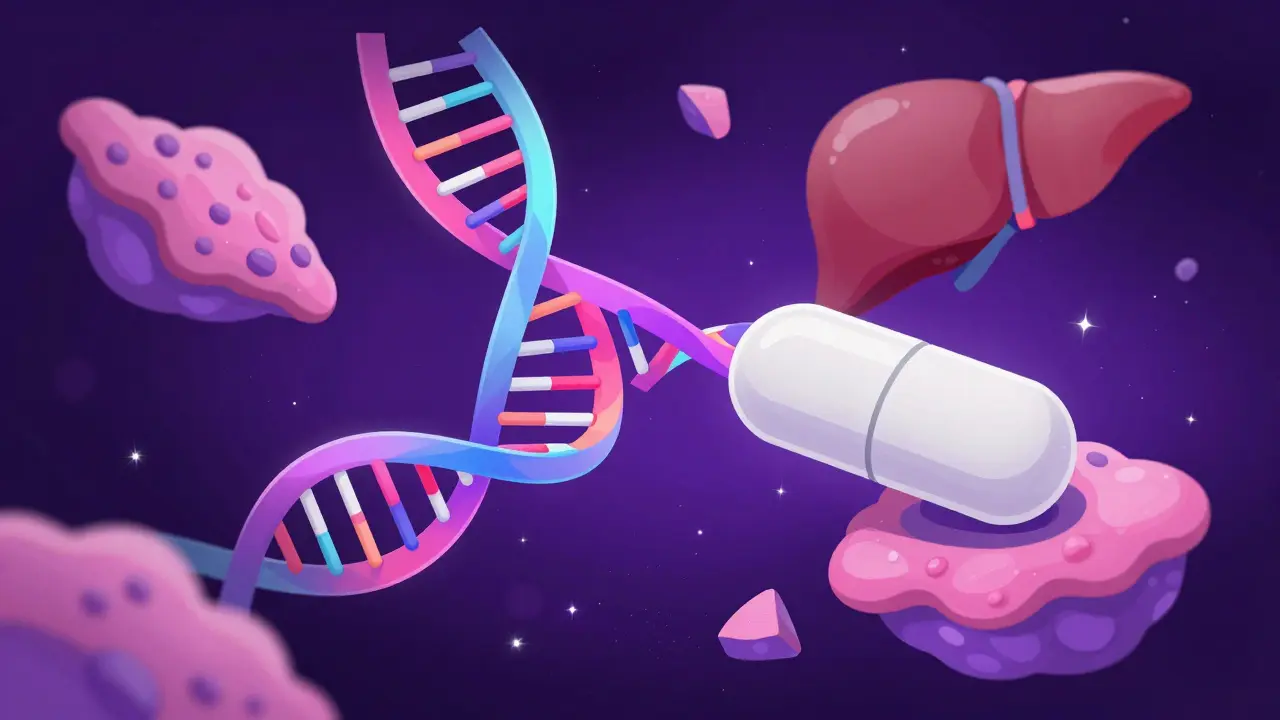
Ever wonder why two people can take the exact same dose of a drug, but one feels fine while the other ends up in the hospital? With isoniazid, the answer is usually written in your DNA. Your liver uses an enzyme called N-acetyltransferase 2 (or NAT2) to break down the drug. Based on your genetics, you fall into one of two main categories: fast acetylators or slow acetylators.
If you are a slow acetylator, your body can't clear the drug quickly. This leads to higher levels of the medication sitting in your system for longer. Research shows that slow acetylators-who make up a huge portion of the population, including up to 86.8% of South Africans-are at a much higher risk for liver damage. In one study, nearly 96% of the patients who developed liver issues were slow acetylators. It is a classic example of how personalized medicine is becoming a necessity rather than a luxury.
How Hepatotoxicity Actually Happens
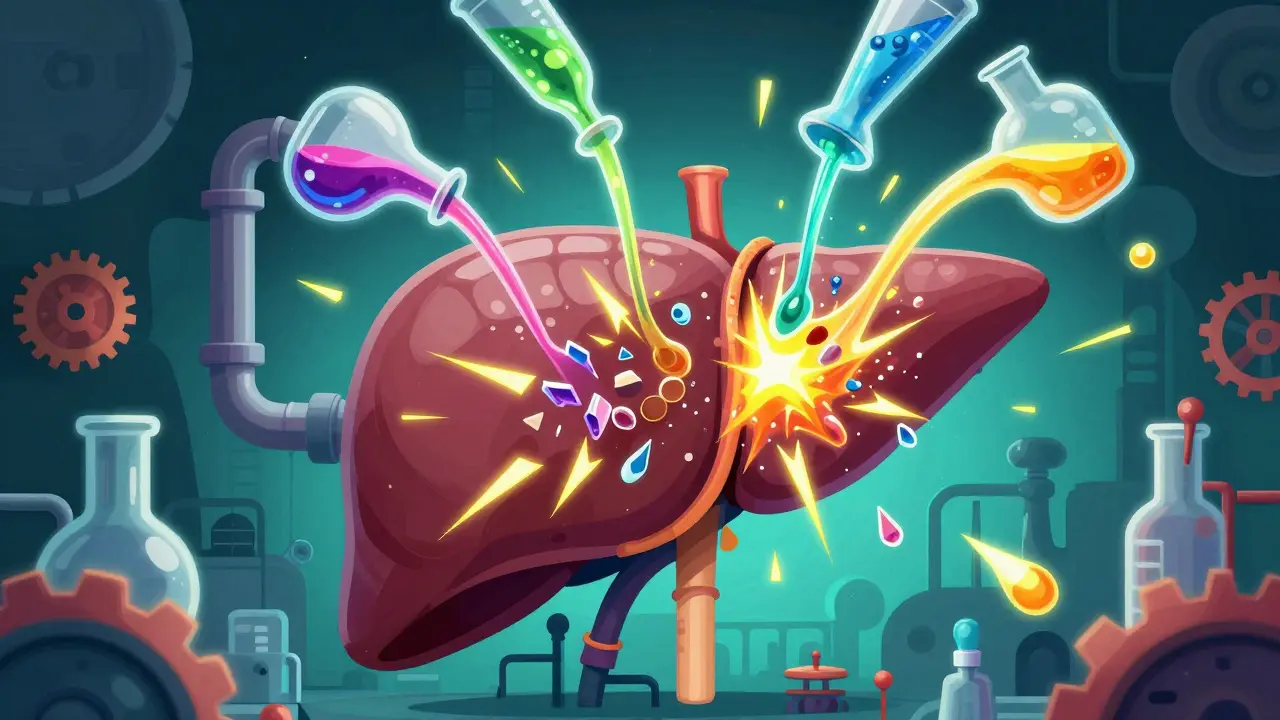
Liver damage, or Hepatotoxicity, isn't just a random side effect; it is a chemical process. When isoniazid is processed, it creates metabolites like acetylhydrazine. These metabolites can turn into reactive species that attack your liver cells, causing mitochondrial dysfunction and oxidative stress.
In mild cases, you might just see a slight rise in liver enzymes (ALT and AST) during a blood test. Most of the time, the liver adapts and recovers. However, in severe cases, the damage looks like viral hepatitis, involving bridging necrosis and cholestasis. The scary part? Many patients don't feel anything until the damage is advanced. By the time you see jaundice (yellowing of the skin) or dark urine, the liver is already struggling significantly.
The Danger of the "Cocktail": Multiple Drug Effects
Tuberculosis is rarely treated with one drug. It is usually a combination. While this prevents the bacteria from becoming resistant, it creates a "perfect storm" for the liver. The most common partner for isoniazid is Rifampin (also known as Rifampicin).
Rifampin is a powerful inducer of liver enzymes. It essentially "speeds up" the machinery in your liver, which sounds good, but it actually accelerates the production of those toxic metabolites we mentioned earlier. When you combine isoniazid and rifampin, the risk of liver injury jumps. Adding Pyrazinamide to the mix only makes things worse. The standard "HRZE" regimen (isoniazid, rifampin, pyrazinamide, and ethambutol) carries a much higher risk of toxicity-up to 20%-compared to regimens that leave pyrazinamide out.
| Regimen Type | Typical Components | Estimated Hepatotoxicity Risk | Primary Driver of Risk |
|---|---|---|---|
| Isoniazid Monotherapy | Isoniazid only | 2-5% | NAT2 genetic status |
| Dual Therapy | Isoniazid + Rifampin | 5-15% | Enzyme induction by Rifampin |
| Full HRZE Regimen | INH + RFP + PZA + EMB | 10-20% | Additive effect of PZA and RFP |
Hidden Interactions with Other Medications
It isn't just other TB drugs that cause trouble. Isoniazid can interfere with how your body handles other common medications. For instance, it can inhibit certain cytochrome P450 enzymes. If you are taking medications like phenytoin or carbamazepine (used for seizures), isoniazid can cause their levels in your blood to spike by over 50%, potentially leading to toxicity from those drugs.
On the flip side, alcohol is a massive red flag. Alcohol induces the CYP2E1 enzyme, which is the same pathway that creates toxic isoniazid metabolites. If you drink heavily-generally defined as more than 14 drinks a week for men-you are significantly increasing your chances of a liver crisis.
Beyond the Liver: Neuropathy and B6
While the liver gets all the attention, isoniazid can attack your nerves too. It interferes with the metabolism of vitamin B6 (pyridoxine), which can lead to Peripheral Neuropathy-that tingling or numbness in your hands and feet. This is especially common in people with diabetes, kidney issues, or those who are malnourished.
The solution is simple: taking a pyridoxine supplement (25-50 mg daily). It is a small pill that prevents a big problem. If you're also taking ethambutol, keep an eye on your vision, as the combination can occasionally lead to optic neuritis.

How to Stay Safe: Monitoring and Red Flags
You cannot predict liver failure, but you can catch it early. The goal is to find the "sweet spot" where the drug kills the bacteria but doesn't kill the liver. Here is the standard approach to monitoring:
- Baseline Tests: Always get liver function tests (LFTs) before your first dose.
- Monthly Checks: Regular blood work to monitor ALT and AST levels, even if you feel great.
- Symptom Tracking: Be alert for nausea, vomiting, or loss of appetite. These are often the first signs of trouble.
- The "Stop" Signal: Most doctors will stop the drug if your ALT levels hit 5 times the upper limit of normal while you have symptoms, or 8 times the limit if you have no symptoms.
The Future of TB Treatment
The good news is that we are moving toward precision medicine. We are seeing a shift toward shorter regimens, like the 4-month rifapentine-moxifloxacin plan, which reduces the time you are exposed to isoniazid. There is even research into using silymarin (milk thistle extract) to protect the liver, with some studies showing a 27% reduction in toxicity.
We are also seeing the rise of the BPaLM regimen (bedaquiline, pretomanid, linezolid, and moxifloxacin) for drug-resistant cases. By removing isoniazid entirely from certain treatment paths, we can eliminate this specific liver risk altogether.
Is the liver damage from isoniazid permanent?
In the vast majority of cases, no. About 95% of patients who experience mild to moderate hepatotoxicity see a full recovery within 4 to 8 weeks after the medication is stopped. Only severe, grade 4 cases result in long-term damage or failure.
Can I drink alcohol while taking isoniazid?
It is strongly advised against. Alcohol increases the activity of the CYP2E1 enzyme, which creates more toxic metabolites of isoniazid, significantly increasing your risk of severe liver injury.
Why do I need to take Vitamin B6 with this medicine?
Isoniazid blocks the way your body uses pyridoxine (Vitamin B6). Without enough B6, you can develop peripheral neuropathy, which feels like tingling or "pins and needles" in your extremities.
What are the first warning signs of liver trouble?
The earliest signs are often non-specific: nausea, vomiting, and abdominal pain. Jaundice (yellow eyes/skin) and dark urine are late-stage symptoms and indicate that the liver is already severely stressed.
How does my genetic status affect my dose?
Slow acetylators have higher drug concentrations in their blood (AUC). While doses are generally standardized, knowing your status helps doctors monitor you more closely and potentially consider alternative regimens if you are at extreme risk.
Write a comment