
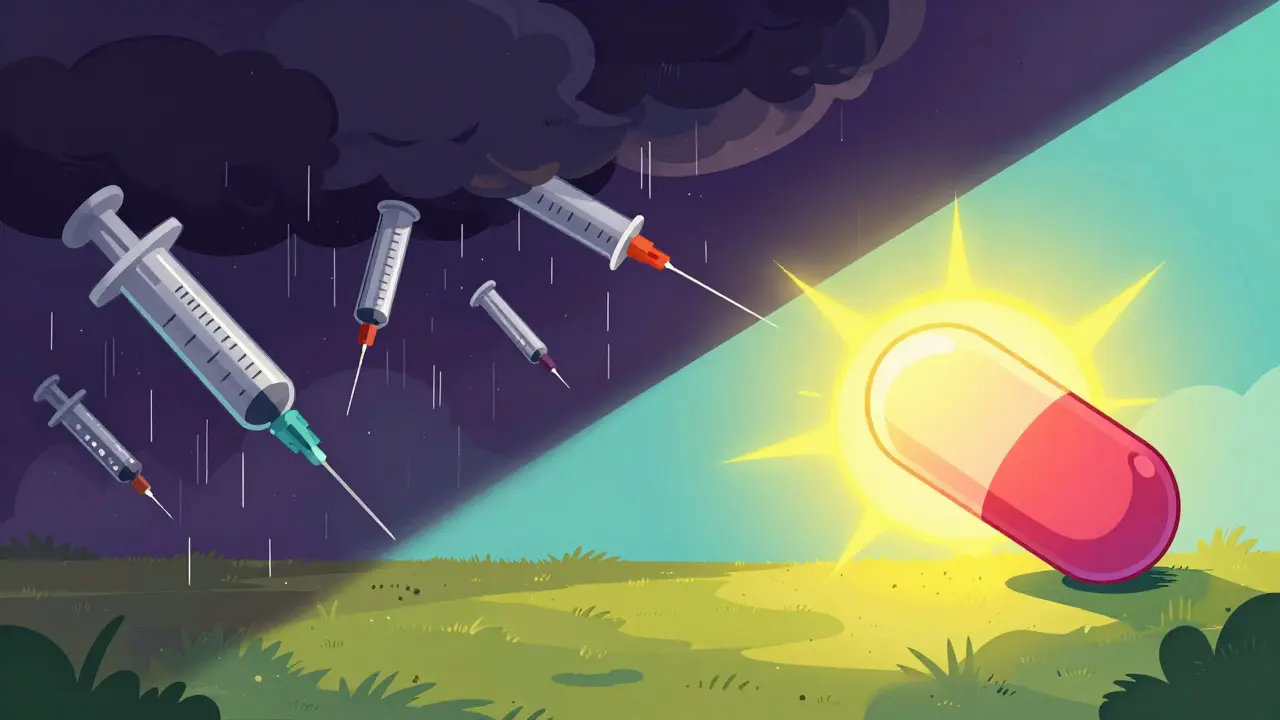
Imagine a world where a lifelong, liver-destroying virus could be wiped out with a few pills over a couple of months. For a long time, that sounded like science fiction. People facing Chronic Hepatitis C is a persistent viral infection that causes inflammation of the liver, potentially leading to cirrhosis and liver cancer. It is caused by the HCV virus had to deal with grueling injections and a coin-flip's chance of actually getting cured. But the game changed completely around 2014. Today, we have a cure that works for nearly everyone, regardless of how long they've been sick or what version of the virus they carry.
The Shift from Interferon to Direct-Acting Antivirals
If you talk to someone who treated Hepatitis C a decade ago, they'll likely tell you horror stories about pegylated interferon. It was a brutal process involving weekly injections for up to a year, often leaving patients with severe flu-like symptoms and deep depression. The success rate? Maybe 40% to 80%, and that was if you were lucky with your viral genotype.
Everything shifted with the arrival of Direct-Acting Antivirals (known as DAAs), which are oral medications designed to target and stop the HCV virus from replicating by blocking specific proteins essential to its life cycle. Instead of just stimulating the immune system to fight, DAAs go after the virus itself. We've gone from a year of shots to 8 to 12 weeks of pills. The results are staggering: cure rates-referred to by doctors as Sustained Virologic Response (SVR)-now exceed 95% for almost every patient group.
How These Medications Actually Protect Your Liver
When the HCV virus lives in your liver, it causes constant inflammation. Over years, this inflammation turns healthy liver tissue into scar tissue, a process called fibrosis. If it goes too far, you hit cirrhosis, where the liver can no longer function, or hepatocellular carcinoma (HCC), which is a deadly form of liver cancer.
The magic of Chronic Hepatitis C treatment today is that by clearing the virus, you stop the damage in its tracks. According to Mayo Clinic data, successfully clearing the virus halts fibrosis progression in about 95% of patients. Even more impressive is that in 70% of cases, the liver actually begins to heal, and the fibrosis starts to regress within five years after treatment. Essentially, the liver is a remarkably resilient organ; once the "attacker" (the virus) is gone, it can often repair itself.

Breaking Down the DAA Drug Classes
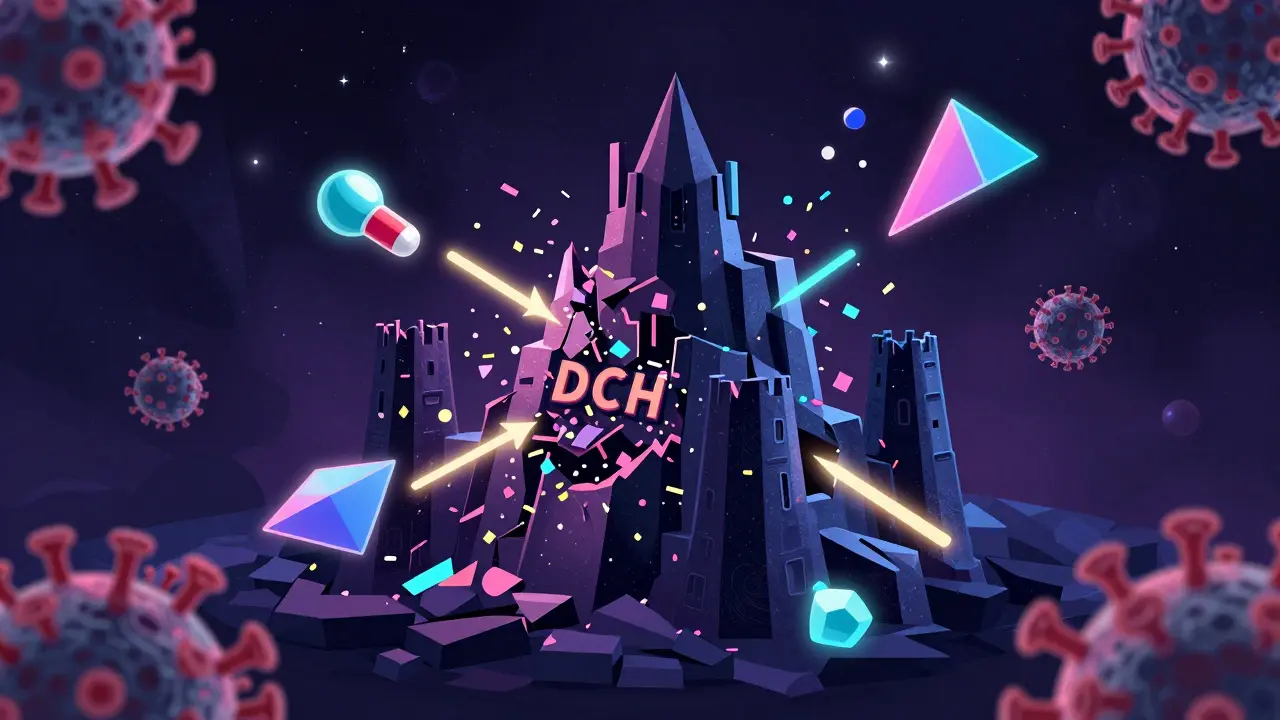
Not all DAAs work the same way. Doctors often combine different classes of drugs to make sure the virus has no way to escape. Think of it like attacking a fortress from three different sides at once.
- NS3/4A Protease Inhibitors: These block the viral proteins from being processed correctly. Examples include Glecaprevir and Voxilaprevir .
- NS5A Inhibitors: These interfere with how the virus assembles itself and replicates. Examples include Velpatasvir and Pibrentasvir .
- NS5B Polymerase Inhibitors: These disrupt the actual copying of the viral RNA. The most famous example is Sofosbuvir .
| Regimen (Brand Name) | Components | Typical Duration | Best For... |
|---|---|---|---|
| Epclusa | Sofosbuvir / Velpatasvir | 12 Weeks | Pan-genotypic use (All genotypes) |
| Mavyret | Glecaprevir / Pibrentasvir | 8-12 Weeks | Fast treatment for non-cirrhotic patients |
| Vosevi | Sofosbuvir / Velpatasvir / Voxilaprevir | 12 Weeks | Patients who failed previous DAA therapy |
What to Expect During and After Treatment
For most people, taking these meds is as simple as taking a daily vitamin. About 90% of patients report no significant side effects. Some might feel a bit of fatigue or a mild headache during the first week, but it's nothing compared to the old interferon days. One user on Reddit mentioned they cured their infection in 12 weeks with Epclusa and felt almost nothing other than a bit of tiredness initially.
The process is now so streamlined that most primary care physicians can handle the treatment without needing a specialist. You no longer need complex genotype testing for many of these "pan-genotypic" drugs-they work regardless of the virus strain. The only real hurdle for many is the cost. In the US, these regimens can be expensive, though manufacturer assistance programs often help uninsured patients.
Addressing Special Cases and Challenges
While the success rate is high, it's not 100%. There are still "tough nuts to crack." Patients with severely decompensated cirrhosis or those who have failed multiple DAA rounds require more complex, tailored strategies. There's also the issue of reinfection. For people who inject drugs, there's a 5-10% annual risk of getting the virus again even after being cured. This means that while the medicine is a cure, the lifestyle and environmental risks remain.
We also see a huge gap in access. While high-income countries have treated about 60% of diagnosed patients, that number drops to 15% in low-income regions. The World Health Organization is pushing to close this gap, offering generic versions of these life-saving drugs for as little as $50 per course in qualifying areas.
Does a "cure" mean the virus is gone forever?
Yes, if you achieve a Sustained Virologic Response (SVR), meaning the virus is undetectable in your blood 12 to 24 weeks after treatment. However, it is possible to be reinfected if you are exposed to the virus again, as the treatment does not provide permanent immunity.
Can I still get liver cancer after being cured?
The risk is significantly lowered, but if you already had advanced cirrhosis before treatment, the risk of hepatocellular carcinoma (HCC) doesn't drop to zero. This is why doctors recommend continued liver screening and monitoring even after the virus is gone.
Are there any major side effects to DAAs?
Most people experience very few side effects. The most common are mild fatigue and headaches. However, some patients may experience drug-drug interactions, particularly if they are taking certain anti-epileptics or HIV medications, which is why a doctor must review all current meds first.
How long does treatment usually take?
For most people without cirrhosis, treatment lasts 8 to 12 weeks. Patients with cirrhosis may require a longer course, ranging from 12 to 24 weeks depending on the specific drug combination and liver health.
Do I need a liver biopsy before starting DAAs?
Not necessarily. While a biopsy provides the most accurate measure of fibrosis, many doctors now use non-invasive tests (like FibroScan or blood-based markers) to determine the level of liver damage and decide the treatment duration.
Next Steps for Patients and Caregivers
If you or a loved one has been diagnosed with HCV, the first step is simple: confirm the presence of the virus with an RNA test. You don't need to panic about the "strain" or genotype unless your doctor specifically asks for it, as most modern drugs cover all bases.
If you're worried about the cost, look into manufacturer assistance programs. Many pharmaceutical companies provide these drugs for free or at a steep discount to those who can't afford them. For those with existing liver damage, the priority is a two-pronged approach: clear the virus with DAAs and continue regular screenings for liver cancer to ensure the liver is healing as expected.
Write a comment