
Ephedrine and MAOIs: Risks, Interactions, and What You Need to Know
When you take ephedrine, a stimulant found in some cold medicines and weight loss products along with MAOIs, a class of antidepressants that block monoamine oxidase enzymes, you’re playing with fire. This isn’t a "maybe" risk—it’s a hard yes. The combination can spike your blood pressure to dangerous levels, trigger seizures, or cause serotonin syndrome, a life-threatening condition caused by too much serotonin in the brain. You might not realize you’re at risk because ephedrine shows up in OTC products, and MAOIs are often prescribed for depression or Parkinson’s. But mixing them? That’s when things go wrong fast.
Why does this happen? Ephedrine pushes more norepinephrine and serotonin into your system. MAOIs stop your body from breaking those chemicals down. The result? A chemical flood your brain and heart weren’t built to handle. People on MAOIs like phenelzine, tranylcypromine, or selegiline have ended up in the ER after taking pseudoephedrine (a close cousin to ephedrine) for a stuffy nose. And it’s not just pills—some energy drinks, fat burners, and herbal supplements contain ephedrine or similar stimulants. If you’re on an MAOI, you need to treat every new medication, supplement, or cold remedy like a potential landmine. Even a single dose can trigger a reaction.
This isn’t just about avoiding one bad combo. It’s about understanding how your whole medication picture fits together. Many of the posts here cover similar dangers: how caffeine messes with warfarin, how gabapentin and opioids slow your breathing, how lopinavir/ritonavir boosts other drugs in dangerous ways. These aren’t random examples—they’re patterns. The body doesn’t handle drug interactions like a computer running separate programs. It’s a web. Pull one thread, and the whole thing can unravel. That’s why checking your full list of meds with every doctor, pharmacist, or even online symptom checker matters. A simple OTC decongestant could undo months of stable mental health treatment.
If you’re on an MAOI, or thinking about starting one, ask your provider: "What should I avoid?" Don’t just take their word for it—get it in writing. Keep a list. Share it with every provider you see. And if you’ve already taken ephedrine while on an MAOI, don’t wait for symptoms. Call your doctor now. The signs—severe headache, chest pain, fast heartbeat, confusion, high fever—don’t always come slowly. They can hit like a storm. You don’t need to guess. You just need to act.
Below, you’ll find real stories and practical guides that help you avoid these kinds of dangerous mix-ups. From checking active ingredients in kids’ meds to understanding why your allergy list needs updating, these posts are built on the same idea: your safety isn’t about luck. It’s about knowing what’s in your medicine cabinet—and why it matters.
Ephedrine and MAO Inhibitors: Why This Drug Combo Can Kill You
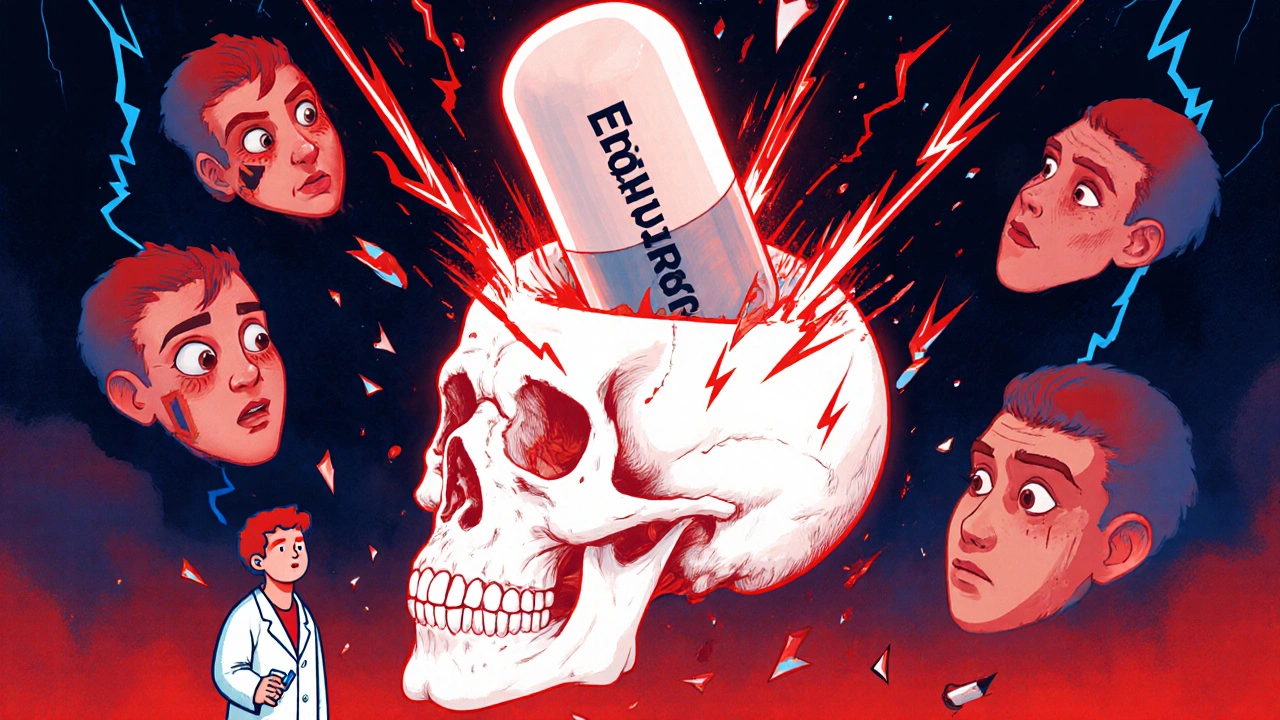
Combining ephedrine with MAO inhibitors can cause a life-threatening hypertensive crisis. Learn why this interaction is deadly, how to avoid it, and what to do if it happens.
More